
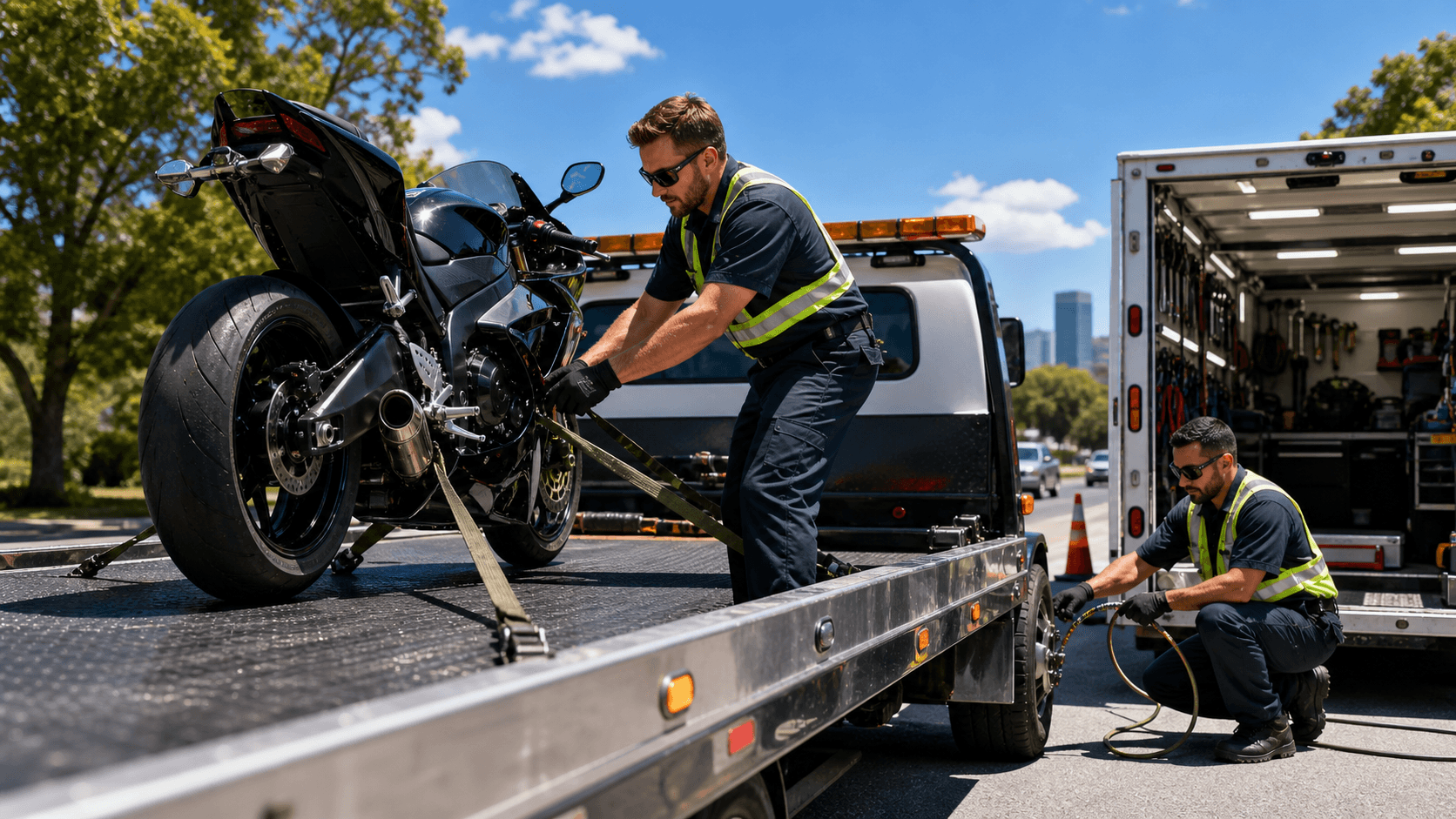
Summer in North Carolina brings out more motorcycles than any other season. Riders across Garner and nearby towns start taking advantage of the warm air and dry roads. But when it comes to moving those bikes instead of riding them, whether for repairs, relocation, or event support, summer brings its own set of challenges.
Handling motorcycle transport in Garner, NC, gets a little trickier during this time of year. High temperatures, pop-up storms, and crowded traffic slow things down unless you plan ahead. Getting a bike from one spot to another safely takes more than just strapping it down and heading out. It takes the right timing, local knowledge, and equipment that fits tight driveways and unpredictable weather.
Planning Around NC's Summer Heat
North Carolina summers bring long afternoons filled with heat that lingers on concrete and asphalt. Transporting motorcycles during these months takes careful timing and preparation. Heat affects both the motorcycle and the rig doing the job.
- High temperatures can put strain on bike fluids, tires, and batteries, especially during longer hauls. Bikes sitting on hot trailers without cover are more likely to experience issues.
- Timing matters. Picking up or dropping off early in the morning or later in the day keeps us out of the worst sun hours. The less a bike sits exposed on a trailer in peak heat, the better.
- Using covered options or choosing setups that reduce heat exposure helps protect paint, seat material, and electronics. It's not just about keeping the engine from heating up, it's about protecting every part from sun damage during the ride.
When we move motorcycles in the summer, we think about shade, temperature, and time of day just as much as distance.
Dealing with Summer Traffic and Events
Every summer, Garner and surrounding towns fill up fast. More people are out driving, local festivals draw big crowds, and road crews use the dry season to make progress on construction. All of this slows down transport unless it's planned right.
- Traffic gets heavier on the main routes, especially on weekends or event days. Delays impact delivery times and may leave a bike sitting longer than expected.
- With rallies and public events common from June through August, roads can suddenly close or clog up. Knowing alternate routes through backroads or side streets helps avoid frustrating waits.
- Transport crews that understand the area, where to park, when school zones change traffic patterns, and which roads flood during storms avoid most of the summer headaches.
Timing and route planning matter a lot more during summer than people think. A normal 10-minute trip can turn into a 30-minute one fast if you choose the same path everyone else is using.
Keeping Bikes Safe in Storm Weather
One moment it's sunny, the next there's thunder and wind pushing over trash bins in the street. That's just part of summer in Raleigh, and motorcycle transport has to adapt to it every year.
- Sudden summer storms hit in the afternoon with little warning. Bikes on open trailers catch wind-driven rain fast, which can cause damage or rust in exposed areas.
- DIY tie-downs can shift or come loose during a storm. Even a well-strapped bike may tip or slide without using proper gear and pressure points.
- Securing motorcycles using balanced lifts or locking channel rails helps hold things solid when wind or rain makes the ride bumpy and wet. Covered spaces and fast reloading times help keep bikes from sitting in open air any longer than needed.
Dry conditions can't be counted on in a North Carolina summer. That's why transport prep includes storm-readiness every time.
Space and Access in Tight Residential Areas
Garner neighborhoods vary a lot. Some homes have wide yards and easy access, but many have tight driveways or limited street parking. That can make loading or unloading a motorcycle more stressful than expected.
- A transport truck needs room to pull in or park without blocking the road, and not every home has that. Shared driveways, parked cars, or leaning fences can limit options.
- Using equipment with smaller footprints helps the crew work in tight spaces without damaging grass, curbs, or garden edges. Not every job needs a huge rig, just the right fit.
- Taking care during loading by using soft straps and clean ramps also protects the motorcycle from scuffs or unwanted contact with nearby obstacles.
We take our time during pick-up and delivery to spot tight areas and avoid surprises. Some spaces look small, but the right approach makes the job smooth.
When Faster Response Time Matters Most
On hot days, long waits on the side of the road get uncomfortable fast. And if a rider gets stuck on the way to a show or weekend trip, fast transport can mean the difference between making the event or missing it completely.
- Summer is harder on engines and tires. More breakdowns happen, especially in peak heat. When someone calls for motorcycle transport, they're often already overheated and out of options.
- We've seen how quick loading and short wait times help relieve some of that stress. When a rider's stranded, they need us to show up organized, not spend an extra half-hour figuring out a plan.
- Planning around known traffic snags and setting realistic haul schedules lets us show up when things go wrong, not after. And in summer, it feels like everything happens at once, flat tires, dead batteries, no-start bikes, they all pick the same time to strike.
Being fast isn't just about speed. It's about knowing which routes are open, which garages aren't swamped, and what the smallest turnaround time really means on a 95-degree day.
Smooth Summer Rides Start With the Right Help
Transporting a motorcycle during the summer takes more than just wheels and ramps. With high heat, summer storms, and heavy traffic all thrown into the mix, small details carry big weight. Every part of the transport process, from where we park to when we show up, changes with the season.
By thinking ahead, watching the weather, and adjusting for space and road conditions, we help riders keep their plans on track. Knowing how to move bikes without adding stress makes the hottest season just a little more manageable. When summer's in full swing, it's the simple choices that take the heat off.
When the summer heat and unpredictable storms complicate your plans for moving your bike, turn to East Coast Towing for a smooth ride. We specialize in safely managing all aspects of motorcycle transport in Garner, NC, ensuring your bike arrives in perfect condition every time. Our experienced team navigates local challenges, keeping summer stress to a minimum so you can focus on enjoying your ride. Contact us today for dependable service tailored to fit your schedule.