
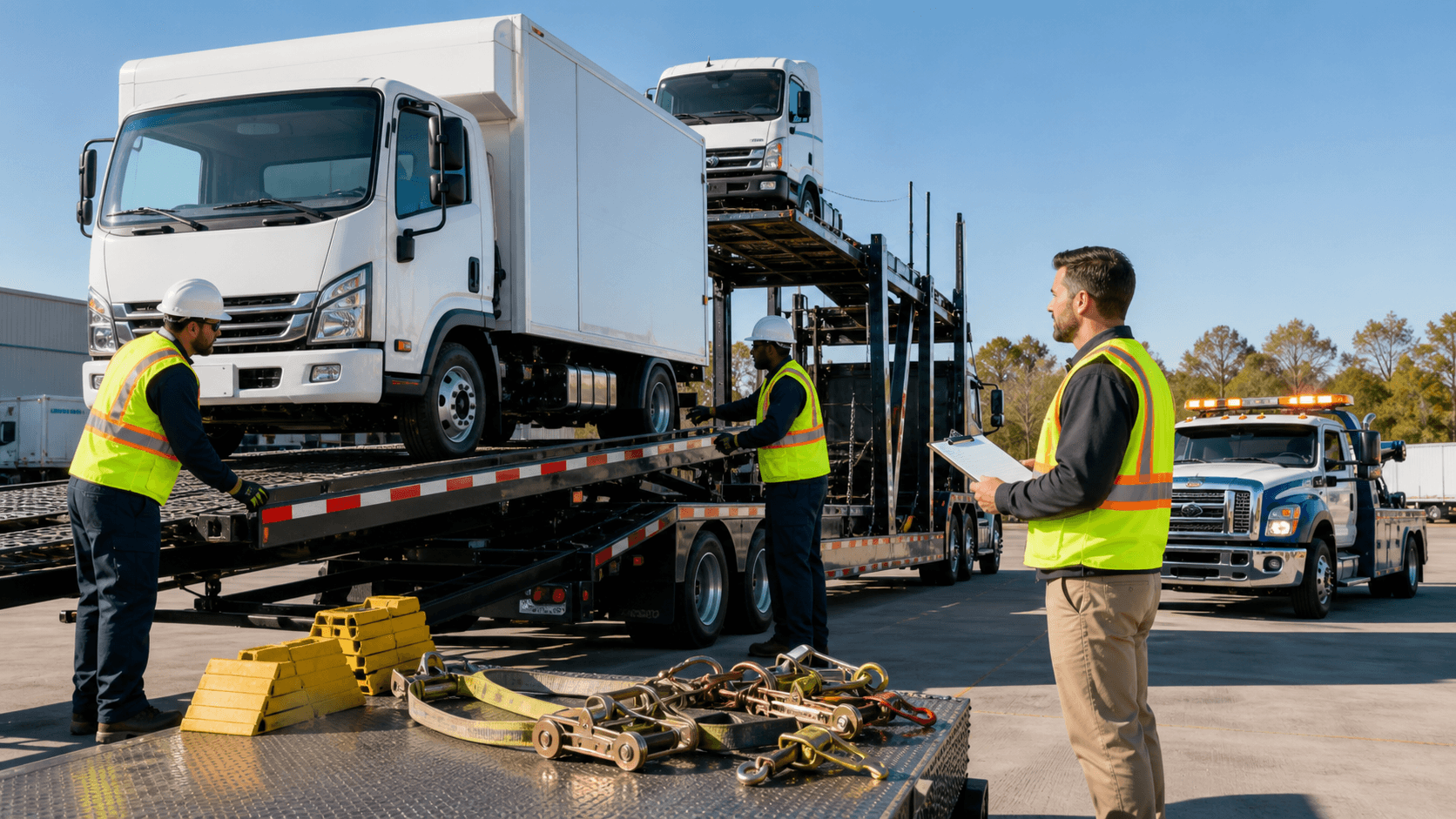
Decking and undecking services are some of the most overlooked parts of fleet operations, but they help freight keep moving across North Carolina, especially in the thick of summer. These services involve stacking trucks (decking) for easier transport and then unstacking them (undecking) once they reach their destination.
For freight carriers working against tight schedules, these steps make a big difference. They save time, reduce wear on equipment, and help operators stage trucks where they are needed. When the heat kicks in and volumes pick up, small mistakes can turn into long delays. That is why paying attention to how decking and undecking services fit into everyday operations matters during a busy North Carolina summer.
How Decking Supports Freight Movement Across NC
When freight companies move tractors long distances, driving each one separately does not always make sense. Often, companies "deck" multiple units by stacking them piggyback-style for transport. A mounted setup with chained-down axles and careful alignment allows three or more tractors to travel together.
There are a few reasons this comes in handy:
- It cuts down fuel use by reducing how many rigs need drivers
- It avoids piling miles on brand-new or recently serviced trucks
- It makes relocation easier when one customer needs multiple tractors fast
Summer is usually a high-volume season in freight. Warehouse lines move faster, and trailer turnaround picks up. That means more moves, more shifts in tractor placement, and more pressure to reassign assets between terminals.
Fleets use decking to shift extra tractors to high-demand zones across North Carolina, keeping drivers focused on active haul routes. That only works if the timing is right. Any hold-up in getting those decked trucks out on the road can delay new delivery windows and throw off schedules.
By grouping units for travel, companies can coordinate routes more efficiently and avoid unnecessary backtracking. This helps reduce operational strain and ensures that trucks reach their needed destinations when demand spikes.
Why Undecking Requires Accuracy and Planning
Once a stack of trucks reaches its destination, the real work starts. Undecking is not just a quick unhook and roll-off. It is a step-by-step process, and during a sticky Raleigh summer, small oversights get magnified.
To undeck trucks the right way, we need to:
- Inspect for shifted axles or loose tie-downs after long-haul travel
- Carefully remove safety gear, ramps, and bolts (especially when tools are hot to the touch)
- Run checks on tires, brakes, and lights before ignition
If we rush this part or skip key checks, trucks could wind up damaged before they are even used. Tire treads and brake linings can overheat during stacking, especially when stopped in traffic or baking on hot asphalt. On summer days, the longer those units stay mounted, the more stress the systems take.
If undecking happens without enough space or planning, delays can ripple across the route. When tractors are not ready in time, scheduled hauls might be pushed or canceled altogether. In high-traffic locations around Raleigh yards, there is not much room for error when staging that process.
With the combination of heat and limited space, working efficiently during undecking is key for keeping operations running smoothly. Crews must be alert to changes in equipment condition and environmental factors to prevent slowdowns.
Risks of Improper Decking or Undecking in High-Use Seasons
When done carelessly, both decking and undecking can lead to serious problems. Broken mounts, bent parts, missed safety inspections, and even yard injuries all become more likely when the job is rushed or done without proper tools.
A few key risks include:
- Damage to cabs or mirrors when stacking is uneven
- Brake system issues if trucks are undecked without downtime checks
- Broken trailer units left in tough positions, blocking drive paths or delivery zones
Summer is already a tight window for freight carriers, and mistakes here just add to the workload. Delayed drop-offs, missed delivery slots, and yard pile-ups become real problems when repairs take longer in the heat or equipment is not available.
Heat also strains people working in full sun. More than just a comfort issue, it affects focus during technical jobs like climbing to deck upper units or guiding mount chains into place. In Raleigh, where summer means long dry spells followed by short thunderstorms, fast weather shifts can throw off these carefully planned tasks.
Fatigue brought on by high temperatures can increase the chances of oversight and slow response times during emergencies. Making sure teams have proper rest and hydration can help avoid mistakes that may lead to unexpected repairs or hazards in the yard.
Summer-Specific Needs for Freight Fleets Using These Services
In North Carolina, summer brings longer road miles, more driver shifts, and a higher risk of yard backups. Freight demand often jumps between late June and August, which means companies need quick ways to move and stage tractors.
Fleets using decking and undecking services plan based on:
- Tight warehouse schedules and mid-week trailer load spikes
- How rising temperatures affect rubber, hydraulics, and electrical connectors
- Whether road crews will shut down lanes or slow access to docking sites
With longer daylight hours, it is easy to overbook or push timelines. Swapping out decked units sounds simple, but it is a task that depends on available space, timing, and finishing touches like system checks and parking.
Drivers may also spend more time on breaks or inside cooled cabs during pickups, which adds another layer to planning. Yards get hotter, and that slows down tool handling, walking, and even loading dock prep. It is a lot to manage unless freight managers think ahead to when and where decking or undecking can cause traffic or timing problems.
Extra consideration is needed for how weather shifts can affect equipment and shift schedules. Quick summer storms can disrupt the process, making it necessary to reschedule or adjust procedures on short notice. Communication between dispatch, drivers, and yard staff becomes more important to keep activities coordinated.
Keeping Freight Fleets on Schedule Across North Carolina
Finding the right moment for decking and undecking is part of keeping a freight fleet flexible. With enough lead time, these services help carriers adjust to shifting needs across counties like Wake, Johnston, and Durham. During summer, that kind of control helps protect people and equipment from problems tied to heat, traffic, and tight delivery windows.
Good planning includes knowing where the trucks need to go, how much space the yard has, and what weather may affect setup or tear-down. With that knowledge, we can avoid unstacking in bad conditions or staging in tight lots where downtime spikes.
Each step of the process, from scheduling the transport to ensuring safe and timely delivery, benefits from dedicated attention to detail. Developing strong procedures and sharing them with all involved can limit last-minute delays and avoid mistakes.
Decking and undecking may not be the most visible part of freight work, but in the midsummer Raleigh heat, these simple processes can hold up an entire schedule. Being ready for heat, yard coordination, and safety checks helps everything else roll forward without delay.
Summer freight operations demand precision and timing to avoid costly delays. At East Coast Towing, we are dedicated to ensuring that your logistics run smoothly, even in the busiest seasons. Our expert team provides professional decking and undecking services to help move your fleet efficiently across North Carolina. Trust us to keep your freight on schedule and minimize downtime during peak times, so you can focus on what matters most.