Introduction
In North Carolina, summer rolls in hot and fast. For truck drivers, freight haulers, and delivery operators, that means more than just staying cool. It means dealing with the way heat affects cargo. High temperatures can loosen restraints, shift weight, and create real problems on the road. Suddenly, a well-secured load isn't where it should be. That's when safety becomes a concern, and things need to be fixed quickly.
A load shift correction service comes into play when that weight moves in the wrong direction. Especially in summer, it's important not just to keep the cargo in line but to respond before the shift leads to a crash, roll, or spill. In a place like Raleigh, NC, where hot pavement and busy roads collide, knowing how correction works in these conditions can help avoid deeper trouble.
Why Heat Makes Load Shifts Worse
Hot weather doesn't just make the air harder to breathe. It changes the way cargo reacts, especially in enclosed trailers.
- Tie-downs like straps and tarps can start to stretch or weaken in the heat. Materials that usually hold tight may loosen more than you'd expect.
- Inside a trailer, heat builds quickly. That can lead to expanded materials or slippery condensation, especially when humidity is high. Stacks might slide, pallets might lean.
- Even the driver feels it. Fatigue climbs fast in a hot cab, slowing reflexes. A late brake or sharp turn during an afternoon delivery can send weight shifting before anyone realizes what happened.
None of these factors cause a shift on their own, but together they make slipping freight more likely when the temperature climbs.
What Happens During a Load Shift
When cargo moves from where it's supposed to be, things get risky. That load was balanced carefully when it was first loaded. If weight slides forward, backward, or sideways, it changes how the vehicle moves, and those changes show up quickly.
- A trailer might start to feel tilted. Drivers might hear or feel something pressing against door frames or the walls of the cargo area.
- Tires can wear unevenly, struggle to keep traction, or even lift on one side.
- In worse cases, load pressure builds until there's a threat of tipping. Long before that, just trying to brake or steer gets harder.
If that shift isn't corrected, it's only a matter of time before something gives. What starts as a little imbalance can lead to brake failure, a rollover, or a full cargo spill across a hot Raleigh highway.
How Load Shift Correction Teams Respond
When we show up to a load shift, our first job is to figure out what moved, how far, and whether the truck is safe to stay where it is. The job starts with caution and quick thinking.
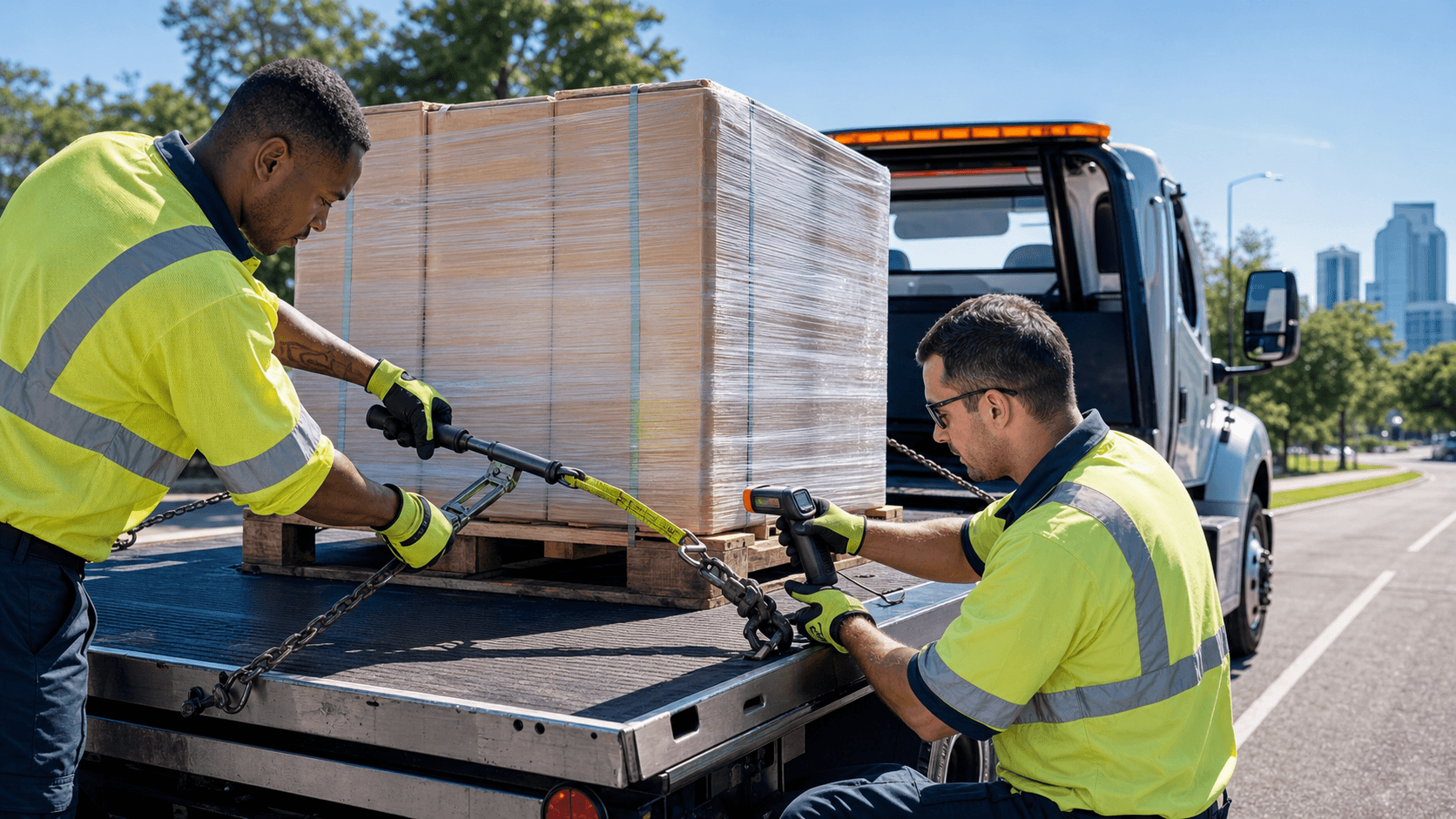
- We check the condition of the load, the trailer, and anything pressing against the doors or walls.
- Equipment comes off the truck based on what's needed. Jacks, forklifts, winches, each tool plays a part in moving and rebalancing the cargo safely.
- A safety zone gets marked out around the vehicle. We need the space because anything that shifted inside might still be unstable.
Every load is different. But in summertime, what doesn't change is the heat. We need to move with care and speed. The longer a truck sits in the sun, the harder it gets to correct the problem safely.
Why Load Shift Corrections Are Tougher in Summer
Summer work feels different, and not just because of the sweat. A lot of behind-the-scenes factors make each load shift even more complicated to fix.
- Heat puts limits on how long we can work in one stretch. People can't stay in safety gear under the sun forever, and neither can machinery.
- When asphalt gets hot enough, it softens. That makes it harder to set up equipment that needs to stay level, like jacks or lifts.
- Summer roads are full. Construction picks up, and more families travel. There's less space to pull over, and less time to fix things before traffic backs up hard around the site.
When we handle a load shift correction service in the Raleigh, NC, area, in June or July, we plan for those heat effects first. It changes how we prepare, how we work, and how fast we need to finish.
Preventing Repeat Incidents After a Correction
Getting the freight safe again isn't just about repositioning it. Once everything's back in place, we look at what caused the problem so it doesn't happen again down the road.
- Straps get checked, and if they sagged in the heat, they get replaced or re-tensioned smartly.
- We make small adjustments to weight distribution where possible, like moving heavier items closer to the axle.
- We alert the driver to anything that might still feel off. Sometimes cargo is heat-damaged or strained in a way that won't hold under another sharp stop.
The difference between a quick fix and a full recovery job is attention to those final steps. Load shifts only become repeat problems if the warning signs get ignored.
Staying Safe When the Heat is On
There's nothing small about a load shift, not when trailers weighing tens of thousands of pounds are involved. What looks like a minor slide can spin into a major road risk fast, especially once the heat rises.
Raleigh summers mean longer daylight, heavier traffic, and higher road surface temps. It's the kind of season where hot metal, loose straps, and dodging traffic all meet in the worst way. That's why using a load shift correction service isn't just about fixing what went wrong. It's about acting fast, protecting the driver, the vehicle, and everyone else trying to share the highway.
By understanding how summer makes these corrections more urgent, but also more complicated, we can stay better prepared when freight gets off track.
Keep your summer freight moving safely and efficiently with East Coast Towing. Don't let the heat put your cargo and crew at risk, especially when a shift can escalate quickly on Raleigh roads. Our experts are ready to provide prompt, professional assistance with our load shift correction service, ensuring your deliveries stay on track. Trust our experience to manage your freight issues and keep operations running smoothly.