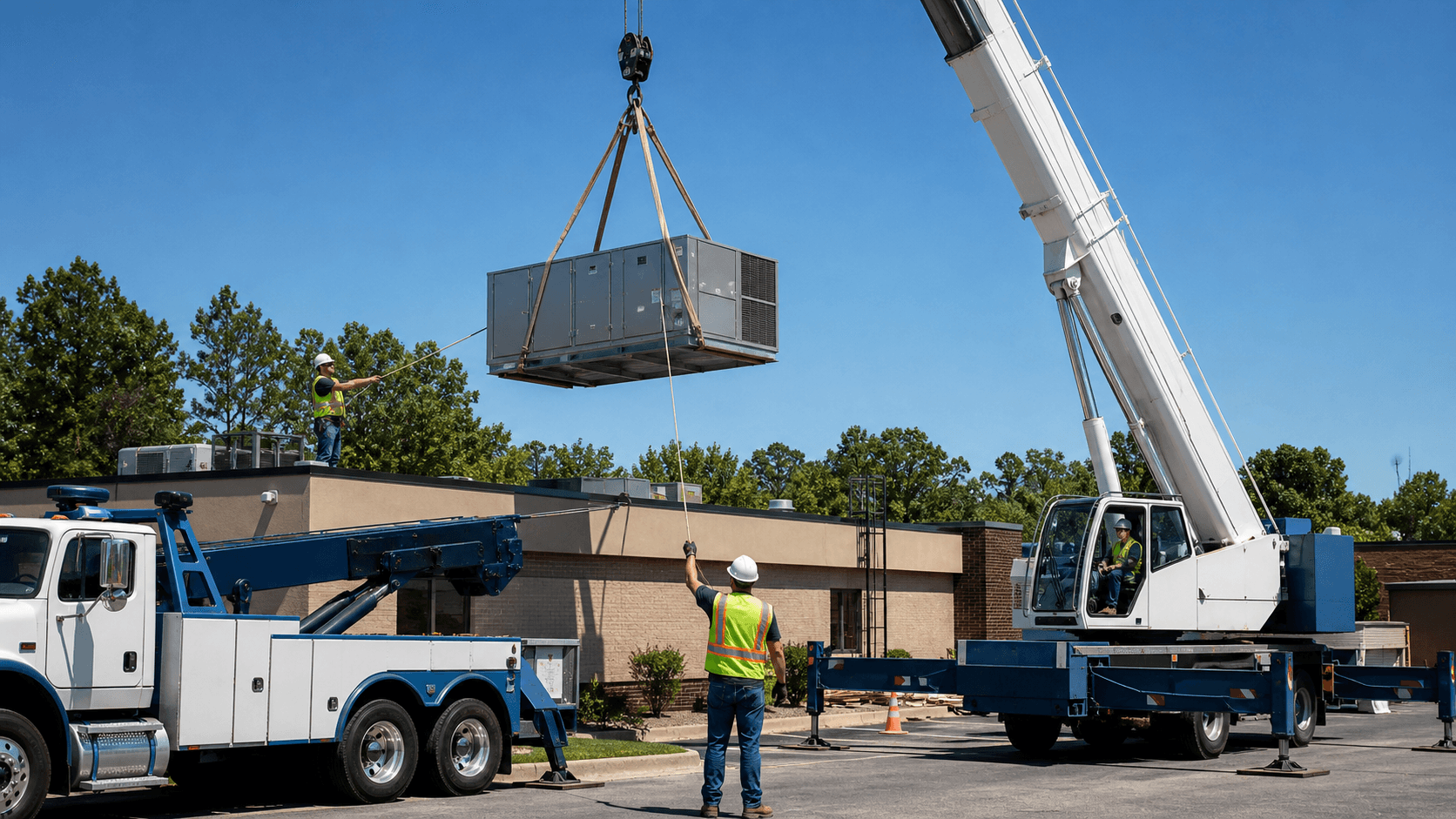
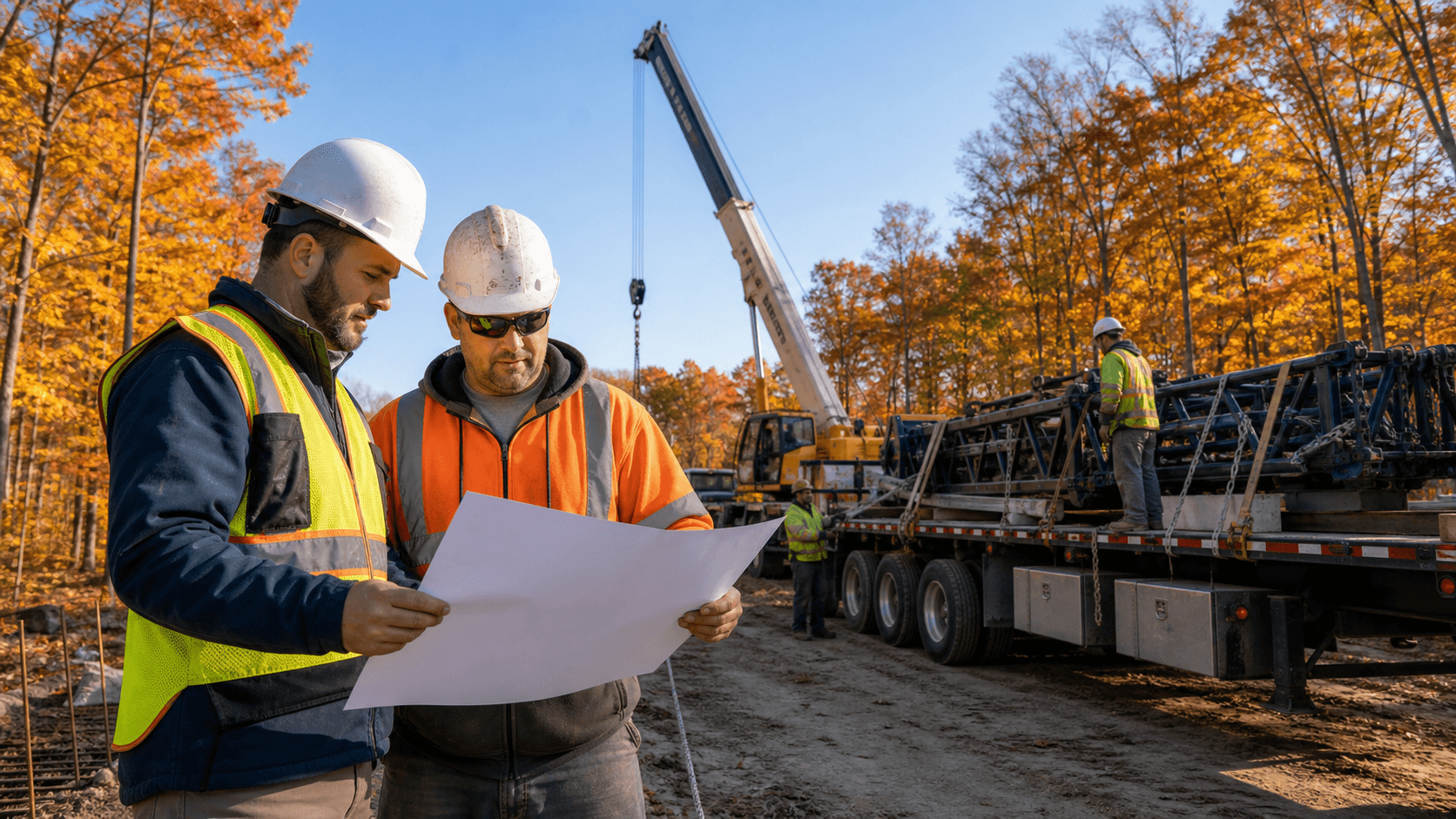
As North Carolina gears up for another busy fall build season, planning for crane transport is one job that should not be left until the last minute. Late summer is the best time to get things moving so you are not scrambling when crews are already onsite. Projects all over Raleigh and surrounding counties pick up steam in September and October, which means equipment needs to be where it belongs, on time and ready.
Crane transport services are a big part of that planning. With so many moving pieces involved, from road permissions to onsite conditions, it helps to get ahead. Knowing what to expect and locking in the right schedule now can help avoid costly delays and last-second changes once the real work begins.
Check Your Timeline: Aligning Transport With Your Build Schedule
Construction timelines across North Carolina follow a seasonal rhythm. Fall is when new projects launch, carried over from planning done in spring and summer. That means August is the sweet spot for arranging crane delivery. If your crane shows up a week too early, it might sit unused. A week too late and you could hold up an entire build.
Here is why timing matters:
- Projects throughout Raleigh and nearby counties often ramp up fast in early September
- Missing your equipment window can delay not just setup but every trade scheduled after
- Rural sites or uneven terrain get trickier to access after September rains start
Once crews start breaking ground, there is not a lot of extra room on-site to shift schedules. That is why working backwards from your first lift helps. Set your schedule so cranes arrive after unloading can happen but before site access becomes complicated by weather or congestion.
Planning for this window takes communication. Construction projects rarely go exactly as planned, so keep a bit of flexibility. A backup day or alternate delivery time helps shield your schedule against minor delays or weather interruptions.
Know the Route: Permitting, Road Limits, and Escorts
Moving a crane from one place to another takes more than just a truck and a good driver. North Carolina has strict transportation limits for wide or heavy loads. That includes route permits, height restrictions at overpasses, and time-of-day rules for when equipment can be on the road.
Here is what affects the transport process:
- Oversized loads often need state or local permits that take time to process
- Some routes require escort vehicles depending on width or weight
- Local events, construction zones, or farm traffic in fall can increase detour time
We always recommend firming up the planned route a few weeks early. That includes checking surrounding roads for closures, downtown zones for traffic patterns, and mapping alternate paths if something gets blocked. A good plan keeps unwanted surprises off your job site.
Advanced route planning also means your drivers are less likely to run into last-minute traffic jams or roadblocks. In some cases, planning means getting out ahead of special events, early morning commutes, or even school traffic. Careful coordination with local authorities and experienced haulers makes it easier to stay on track.
Prep the Pickup and Delivery Sites
Crane transport does not end when the truck stops. It starts with making sure your pickup and drop-off locations are ready. If either site is not prepped right, delays or damage become a real risk, and neither are worth it once your build is on a deadline.
A few things to confirm on both ends:
- Ground needs to support the weight, soft soil or loose gravel can be a problem
- Clearances matter, watch for low wires, tree limbs, fences, and narrow entrances
- You need enough room to turn, unload, and unhitch safely
It helps to do at least a quick walkthrough of both areas or talk with the crew that will be receiving the equipment. Miscommunication is one of the biggest causes of delay. Something as small as a locked gate or ungraded slope can slow things down fast.
To keep things smooth, set up communication between site managers and drivers in advance. Share maps, site contacts, and even photos of the entrance or staging area to help everyone know what to expect on arrival. The less guesswork there is, the faster unloading happens, and the sooner your build can get underway.
Fall Weather Considerations You Cannot Ignore
Late summer in North Carolina can look calm on the calendar, but weather changes fast. September often brings more rain, cooler mornings, and occasional fog. That kind of weather does not just slow down drive times, it can impact access, safety, and even where trucks park.
We have seen these local weather effects before:
- Rain can turn empty lots into mud pits, especially in outer areas of Raleigh
- Fog makes rural routes harder to manage, especially before sunrise
- Thick soil and standing water after summer make undeveloped job sites risky
From late August to early September, the ground is usually still dry from the heat, making it a better time to move heavy lifting equipment. Waiting too long puts you at the mercy of changing fronts and morning slowdowns that can stack up fast.
It pays to monitor forecasts closely. If rain is expected, check the site for drainage or make sure there is solid ground laid where heavy loads are coming in. Bring in gravel or lay mats on soft spots to keep the equipment from sinking or getting stuck. Allow extra buffer days for delivery if big storms are on the horizon.
What to Lock Down When Booking Crane Transport Services
Getting crane transport services scheduled comes down to sharing the right details upfront. Too many jobs get delayed because of skipped facts or last-minute changes that could have been handled days earlier.
Here is what we always want nailed down ahead of time:
- Type of crane, its weight, height, and any special handling needs
- Exact pickup and drop-off locations plus contact people at both
- Site hours, access conditions, and any restrictions or timing gaps
The more everyone knows upfront, the easier everything becomes. Smooth coordination between contractors, site foremen, and haulers reduces risk. It also helps spot timing conflicts early, before they become costly issues halfway through a build.
When crane transport services are part of the early prep list instead of a last-minute scramble, everyone benefits.
Providing clear, complete information makes scheduling easier for everyone involved. If there are narrow windows for entry or tight deadlines, communicate that early, so all parties can plan and respond if adjustments are needed. Coordinated efforts help prevent late arrivals, unexpected waiting charges, or missed setup windows.
Planning That Pays Off When Construction Heats Up
Getting your crane moved before the fall build rush saves time, money, and frustration. August offers a chance to plan without the pressure that September always brings. Crews are not stacked up yet, roads are not as crowded with contractors, and site conditions are still dry enough to handle big loads.
By locking in details early, you avoid wait lists, plan better with your site crews, and keep your project flowing at the right pace. Those small steps in summer often make a big difference once fall construction gets busy across North Carolina.
At East Coast Towing, we know the value of precision and timeliness in the construction industry, especially during the busy fall season. That's why our trusted crane transport services are designed to get your equipment delivered on schedule, every time. Avoid the construction rush and potential delays by planning your transport now, ensuring that your projects in Raleigh, NC, run smoothly and efficiently. Contact East Coast Towing today to secure the reliable services that keep your operations on track.