When you're planning a small-scale project in North Carolina, it's easy to underestimate how valuable the right crane could be. Whether you're lifting a heavy HVAC unit onto a roof, setting a small shed into place, or helping with a quick home repair, choosing the right machine matters more than most people expect. Using the wrong size can slow everything down or make a simple job more stressful than it needs to be.
That's where a mobile crane service in NC becomes especially useful. Fall is a busy season for backyard updates and minor construction, and timing becomes just as important as equipment. Figuring out crane size before the truck arrives can save time, space, and maybe even your budget.
Why Crane Size Matters on Smaller Jobs
It might seem like getting a bigger crane would solve all problems. But for tight spaces, small crews, and quick lifts, oversized cranes can cause more hassle than help. Extra weight and extended reach are not needed for most neighborhood tasks, and large cranes can have a hard time getting close enough to lift safely in small driveways or narrow roads.
When we say "small jobs," we're talking about things like:
- Lifting roof trusses onto a garage
- Removing tree limbs too heavy for manual crews
- Placing a metal storage container or fabricated structure
- Swapping out small utility components like light poles or pumps
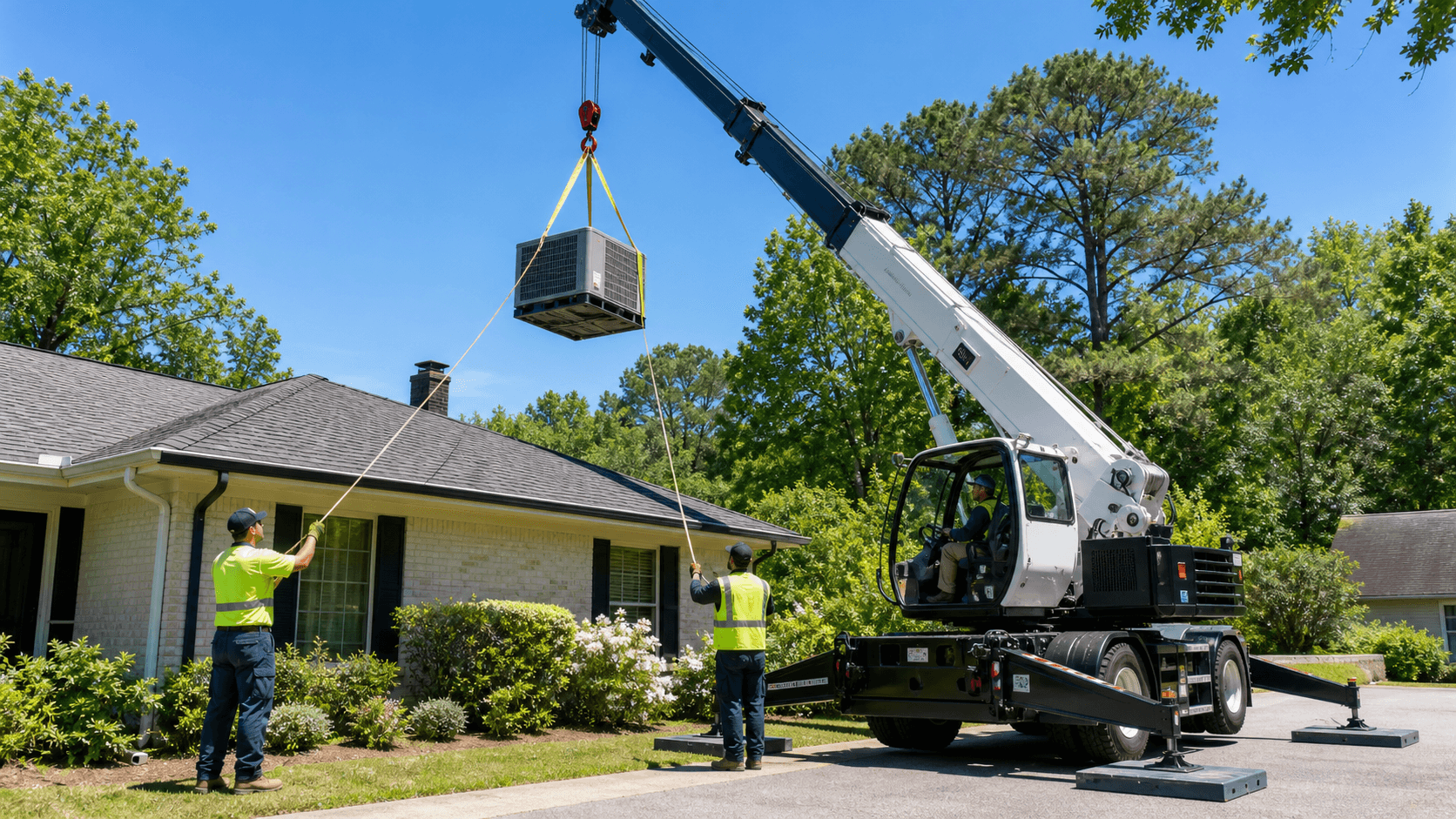
A mobile crane usually gives you more flexibility. These machines are made to travel easily and adjust to variable loads. They carry different boom sizes, weight brackets, and reach extensions so we can match the crane to the job without bringing in more than necessary. On projects where space is tight or time is short, using only what's needed often gives better results.
Common Fall Projects in NC That Use Mobile Cranes
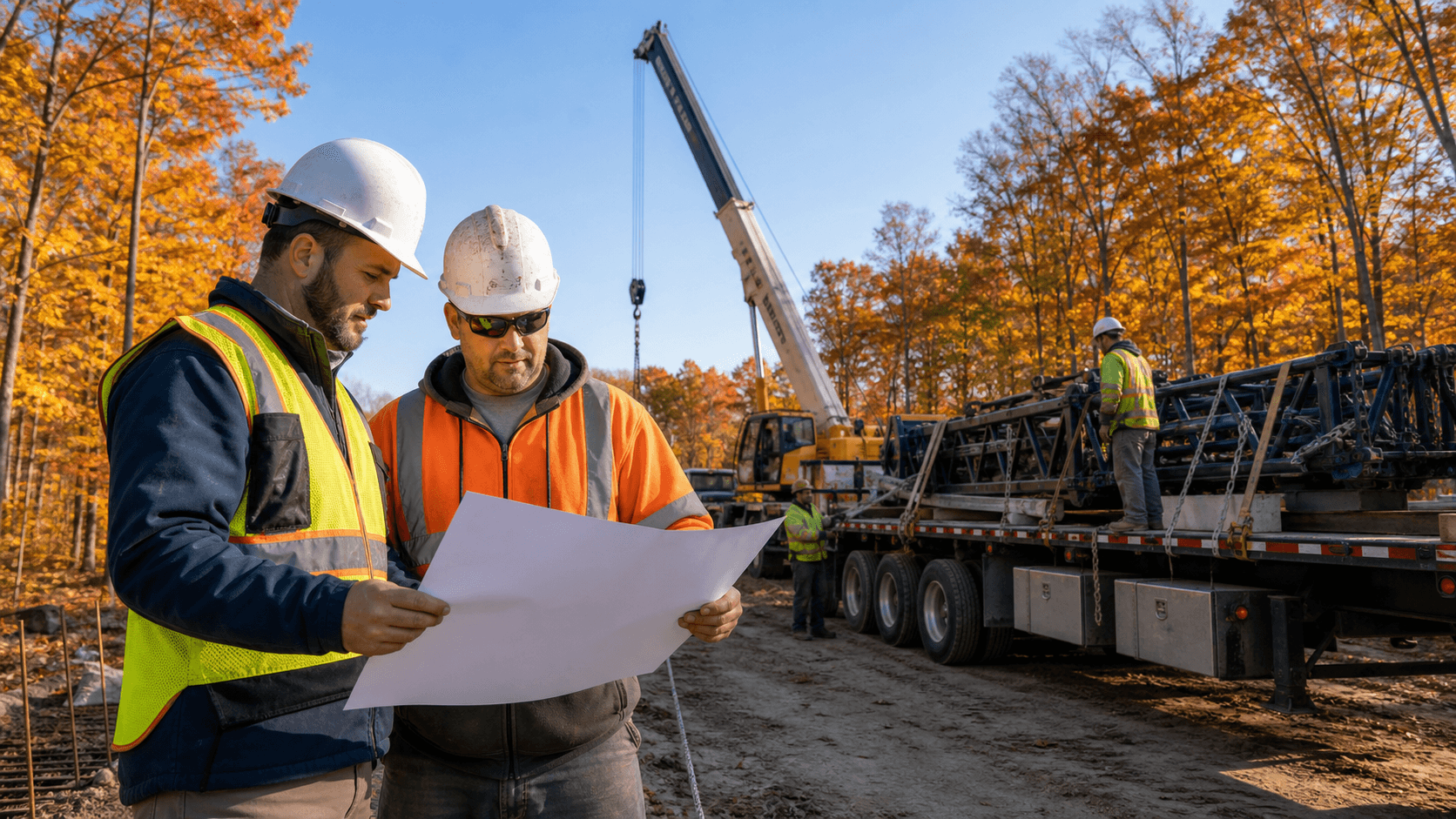
October is one of the busiest months for lift work around Raleigh, North Carolina. The weather is still decent, but people are racing to fit in projects before winter sets in. That mix of urgency and outdoor setups makes it a good time for mobile cranes to step in.
Jobs we see a lot this time of year include:
- Pulling down large tree branches or whole trees before storm season
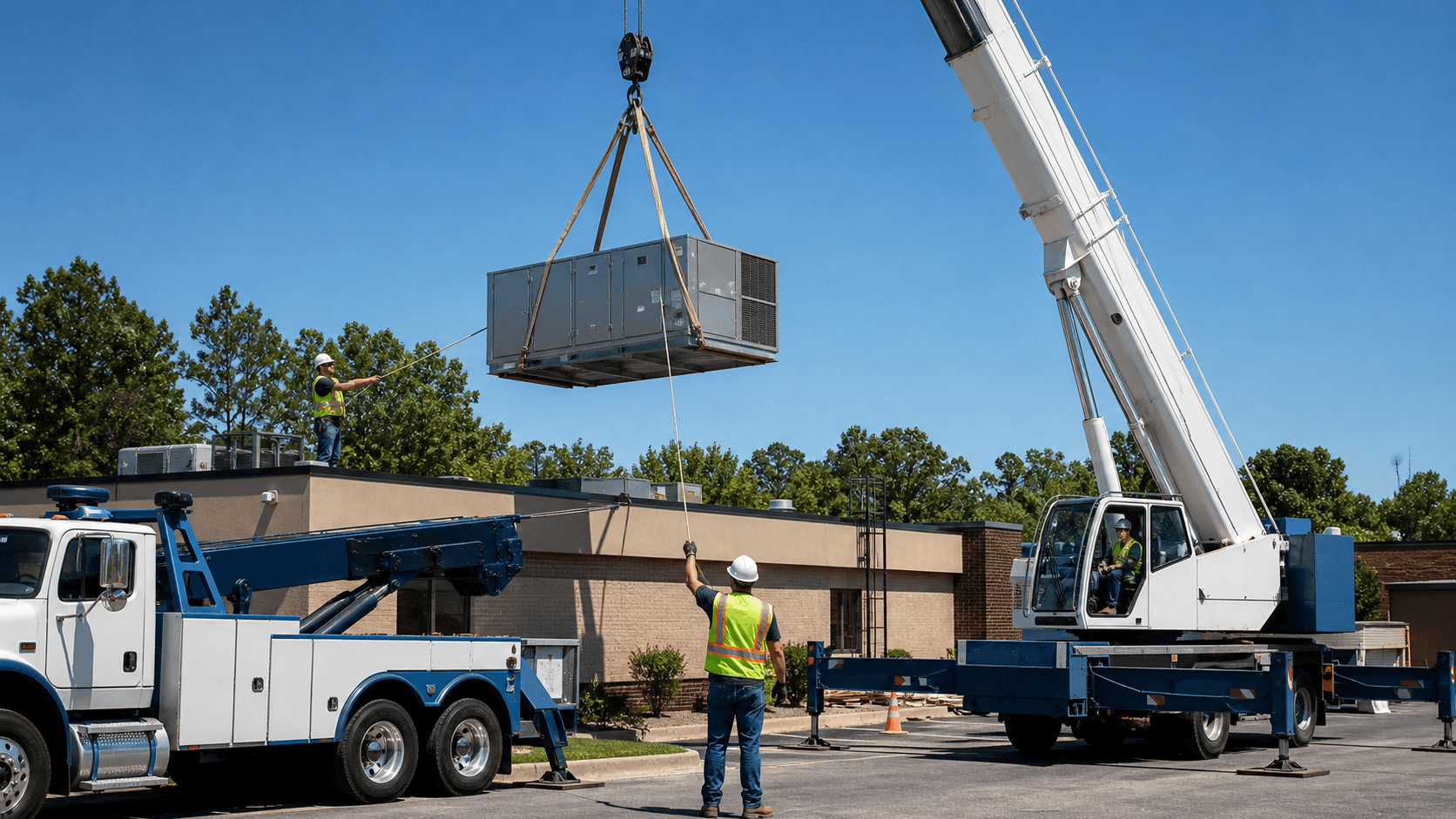
- Replacing worn-out HVAC units before heaters start getting used
- Small building repairs or additions like roofing materials or prefabricated panels
- Delivering or lifting storage sheds onto slabs or hard-to-reach areas
- Helping utility crews with poles or cable arrangements
As the leaves drop and rain picks up, ground conditions can change fast. Wet lawns, soft dirt, and piles of leaves can make it hard to spot stable areas for setup. That's why choosing a smaller, well-fitted crane can cut down on repositioning, long setups, and worn-out ground before winter slows things down further.
How to Read Crane Load Charts Without Guesswork
Every crane comes with a load chart, and even though it might look like a pile of numbers at first, it's worth understanding. The chart tells us exactly how much the crane can lift at a certain distance and height. If you're lifting something light but far away from the crane's base, the load capacity drops quickly.
Here's what factors into the chart:
- Distance from the crane to the object being lifted
- The weight of the object itself
- How far the boom is extended and at what angle
An example: Let's say we're lifting a 1,000-pound generator. If the crane is set 10 feet away, the chart might allow for a safe lift. But if the same lift needs to happen from 30 feet away or with the boom stretched high, that same crane might no longer work for the job. The right lift plan starts with reading the chart and not guessing how much we can safely move.
Space and Access: Planning Ahead on Tight Sites
Many homes and small businesses around Raleigh don't have wide open lots for cranes to roll through. We've worked on jobs where the only access is through a narrow gate, down an alleyway, or along a steep driveway. Without space to swing or extend properly, lifts get way harder than they need to be.
Planning for tight spaces means doing a few key things up front:
- Trim back trees or bushes where the crane needs to enter
- Mark any above-ground or buried utilities
- Look for solid, level ground for the crane to park and stabilize
- Make sure vehicles or debris aren't blocking access routes
Talking through these things ahead of time keeps lifting day smooth. That way, instead of losing daylight rearranging things, we can roll in, lift the load, and keep the work moving forward before conditions change or schedules back up.
Safety and Weather Checks for October Jobs
By October in North Carolina, mornings can be chilly, and the wind shows up without a lot of warning. Fall is unpredictable, and every lift plan needs to allow for shifting weather. One day might be dry and calm, and the next could bring strong gusts or surprise rain. Wet ground or uneven soil can make it hard to keep equipment balanced, especially on new construction sites or grassy areas.
We always plan a weather cushion into our timing. That means avoiding tight timelines around outdoor jobs and staying flexible. If wind picks up or footing gets unsafe, delaying the lift is always the safer route.
Here are a few things we watch for every time:
- Mud or washed-out gravel from overnight rain
- Early frost making surfaces slick in the morning
- Falling leaves covering hazards or creating slippery zones
- Cold steel on cranes or lifting gear becoming harder to work with
Every job starts with a walk-through. No matter how small the task, taking time to assess ground safety, crane positioning, and weather risks makes a big difference once the lift gets going.
Right Crane, Right Fit: Keeping Small Jobs Simple and Safe
Getting the right crane for small jobs means thinking through a few simple things: how big the load is, where it sits, how much room we've got, and what the weather might do. Those are the things that make fall jobs quicker, quieter, and easier to finish on time.
The best thing about using a mobile crane service in NC is how adaptable it is. Instead of overcomplicating a one-hour lift with oversized gear, we can match what we bring to what you actually need. That translates to less setup, safer working conditions, and happier neighbors who won't be blocked in by extra equipment.
Fall is short, especially once we hit the back half of October. Cold nights come fast and daylight gets shorter by the week. If you've got outdoor projects on the calendar, planning now means fewer slowdowns later.
Choosing the right crane size isn't just about the machine, it's about setting up your worksite for success and getting it done before the next weather shift makes things harder than they have to be.
Get your fall project off to the right start with East Coast Towing. Our expert crew is ready to assist with precision and efficiency for your residential or commercial jobs. Whether lifting heavy equipment or navigating tight spaces, our mobile crane service in NC is tailored to meet your specific needs. Reach out today and ensure your project is completed smoothly and on time.