As riding season winds down in Raleigh, North Carolina, fall brings changes on and off the road. Morning temperatures dip lower, daylight shrinks fast, and the roads start to feel a little less welcoming. For motorcyclists still heading out into October, it's a good time to think about risks and how to stay ready when things do not go as planned.
Motorcycles do not offer much margin for error, especially during colder months. One bad intersection, a slick patch of road, or a mechanical hiccup on a backroad can lead to real trouble. Having a safety plan helps, and knowing how to get help with motorcycle towing services can make all the difference when a ride does not end where or how you thought it would.
As the fall season settles in, planning for the unexpected becomes a core part of responsible riding. Many riders find that being prepared does not just offer ease of mind, but can also transform a potentially stressful breakdown into a manageable event. Whether you ride daily or only on weekends, adding a little foresight as temperatures drop is an important step for staying safe and comfortable.
Why Fall Roads Aren't Always Rider-Friendly
Fall mornings in Raleigh can be beautiful, but those same crisp settings come with a few hidden risks. Changes in weather add layers of unpredictability, and riders feel it more than most.
- Wet leaves look harmless but can be as slick as ice, especially on turns or downhill grades
- Early fog and colder air make it harder to judge what is just around the bend
- Reduced daylight cuts visibility short and can make late rides riskier than planned
The little things add up. Shorter afternoons make it easier to misjudge time, and cooler tires do not grip as well as they did a few weeks ago. A ride that got you home before sunset last month might now leave you finishing up after dark.
The onset of chilly weather increases the need for caution at every turn. It is not just about the leaves or the fog, though those are big deals. It is that every ride requires more alertness, faster decision-making, and better awareness of surroundings. Roads often look the same but feel drastically different, and a favorite route from summer can develop new hazards as autumn takes hold.
Common Fall Motorcycle Issues That Lead to Tows
Motorcycles feel the seasonal shift in different ways than cars do. Some mechanical issues are more likely to appear as temperatures drop and rides become less frequent.
- Batteries lose strength with colder overnight temperatures, especially if they are already worn
- Tire wear becomes more noticeable when the roads cool down and grip fades
- Moisture in a fuel tank from long gaps between rides can cause starting problems or sputtering
These problems do not always come with warning signs. A short Sunday ride can turn into a call for help if the bike will not restart at a scenic overlook or country gas station. Riders need to notice changes before they get stuck miles from home.
Cooler weather exposes the small signs your motorcycle gives that something is not right. Maybe you notice the starter turning slower or tires feeling different on the first mile of your ride. If there are any hesitations when you get going, fall is not the time to ignore them. Careful checks before each ride can reduce surprises, but sometimes problems still sneak up.
Things to Keep in Mind When You Need a Tow
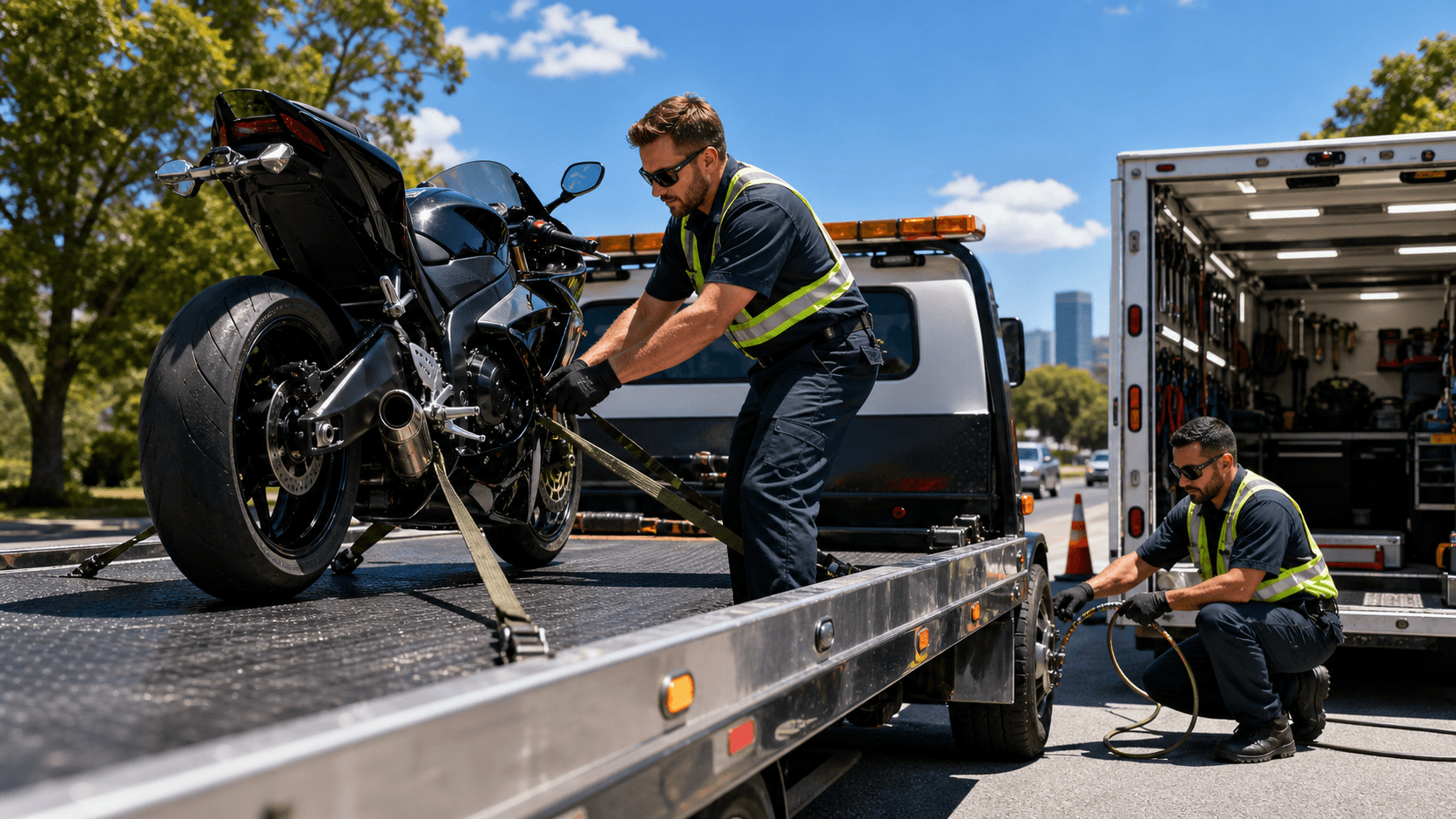
Not every towing company is ready to handle motorcycles the right way. Bikes need different gear and proper handling, and getting it wrong can make problems worse, scratched paint, bent forks, or worse.
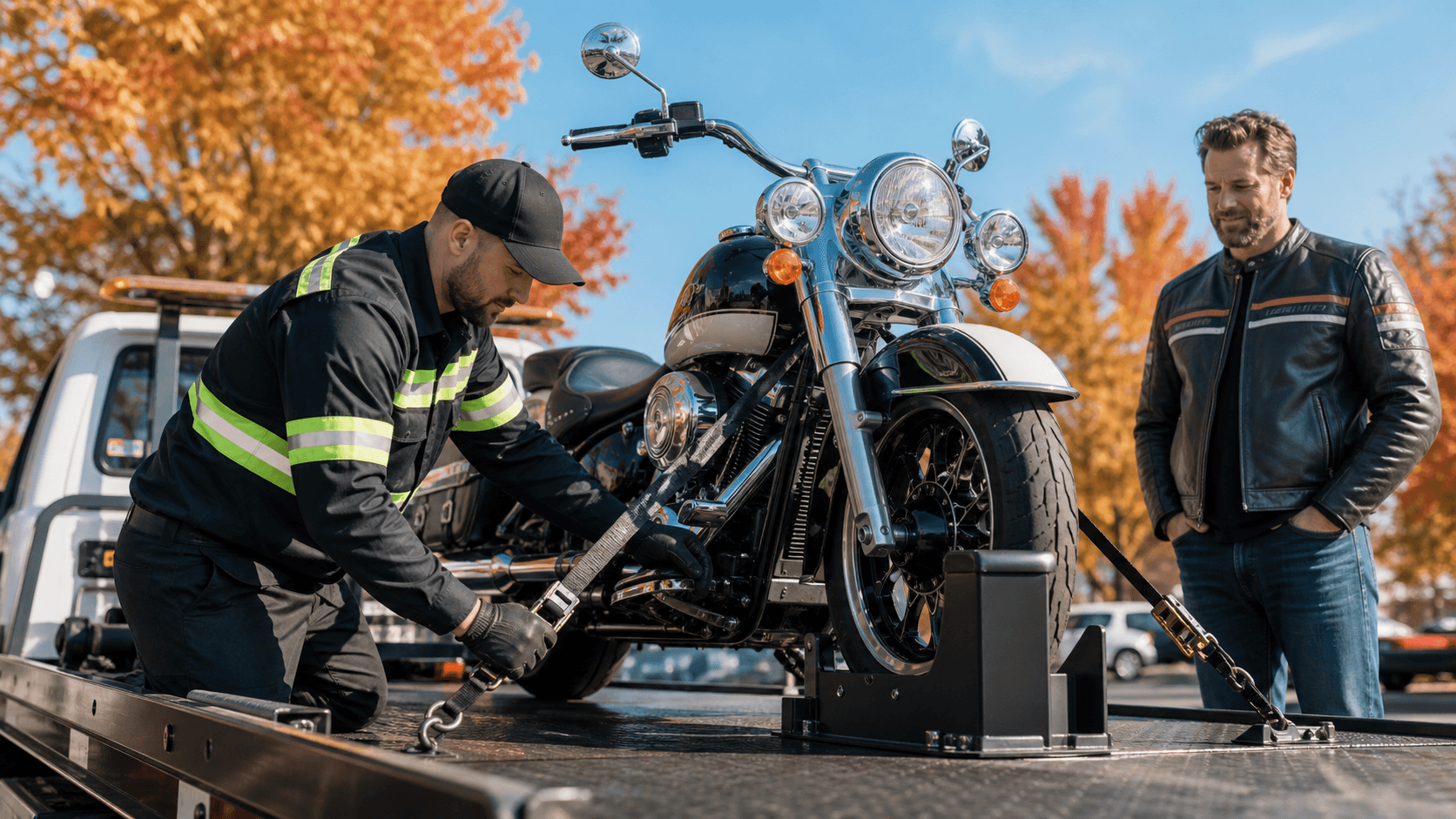
- A flatbed truck or motorcycle dolly helps keep the frame stable during transport
- Using the right straps and anchor points prevents shifting during the ride
- Riders should know their bike's preferred tie-down spots and any special handling needs
If you ever need to explain what is required, having that knowledge helps protect the bike and speeds things up when time already feels tight.
It is crucial to communicate clearly with the towing service, especially if your motorcycle has any unique requirements or modifications. Be ready to guide the tow truck operator to connect straps to safe points or to avoid fragile areas. Even waiting for the tow, being aware of your surroundings and keeping the motorcycle away from traffic or hazards makes the process safer for everyone involved.
How to Prepare Before You Pack It Up for the Season
A little planning goes a long way, especially when fall still offers a few good riding days. September through early November sees lots of movement. Preparing now could mean fewer headaches if something unexpected happens.
- Keep your insurance and an emergency contact card tucked inside your jacket or tank bag
- Before solo rides, tell someone where you are going and when they should hear from you
- Store a small toolkit on the bike and pack a charged portable battery or phone charger
You may not plan on breaking down, but being ready if it happens can shorten your delay and keep you a little more relaxed while you wait.
If you are riding into remote areas where cell service is spotty, let a friend know your route just in case. For rides near Raleigh, having up-to-date emergency contacts stored both on your phone and written on a card can be very helpful. Checking over your bike, ensuring tires are inflated and fluids are topped up, provides confidence even if you only have time for a short loop.
Local Pitfalls Raleigh Riders Should Watch For
Riding near Raleigh in the fall can mean long stretches of scenic roads, but help is not always around the corner. Some spots add more danger when things go sideways.
- Popular riding routes through wooded areas or backroads often fall outside service zones
- Narrow shoulders, especially on twisty roads, offer limited space for pulling off safely
- Weekend traffic from fairgrounds, game-day events, or festivals can delay help significantly
It is worth paying attention to where you ride. If the shoulder is narrow, a breakdown becomes less about minor inconvenience and more about staying safe while waiting for help to arrive.
Take a look at maps ahead of time and try to plan your route with safe turnouts in mind. If you know you are heading somewhere less traveled, pack an extra layer, water, and a snack, even for short rides. Weekend traffic in Raleigh can build up without warning, so delays are sometimes part of the experience.
Ending the Season on a Safe Note
Motorcyclists often find the end of riding season sneaks up fast. One good ride can turn cold halfway through, or some minor hardware issue suddenly feels bigger in the cool air. That shift from regular riding to winter storage does not always follow a clean schedule.
Finishing the season well means keeping a handle on safety, paying attention to how your bike is running, and thinking two steps ahead. When things do not go smoothly, being ready with good info, smart choices, and access to trusted motorcycle towing services can get you home in one piece. Riding into fall takes just a bit more care, and that care makes all the difference.
As fall brings new challenges for Raleigh riders, having dependable support ready can turn potential stress into peace of mind. With East Coast Towing, you have access to professional and reliable motorcycle towing services that ensure you're never left stranded. Whether you're out for a sunny ride or caught in unexpected weather, our expert team stands ready to help you navigate any unforeseen detours. Secure your peace of mind by reaching out to East Coast Towing for trusted assistance on the road.