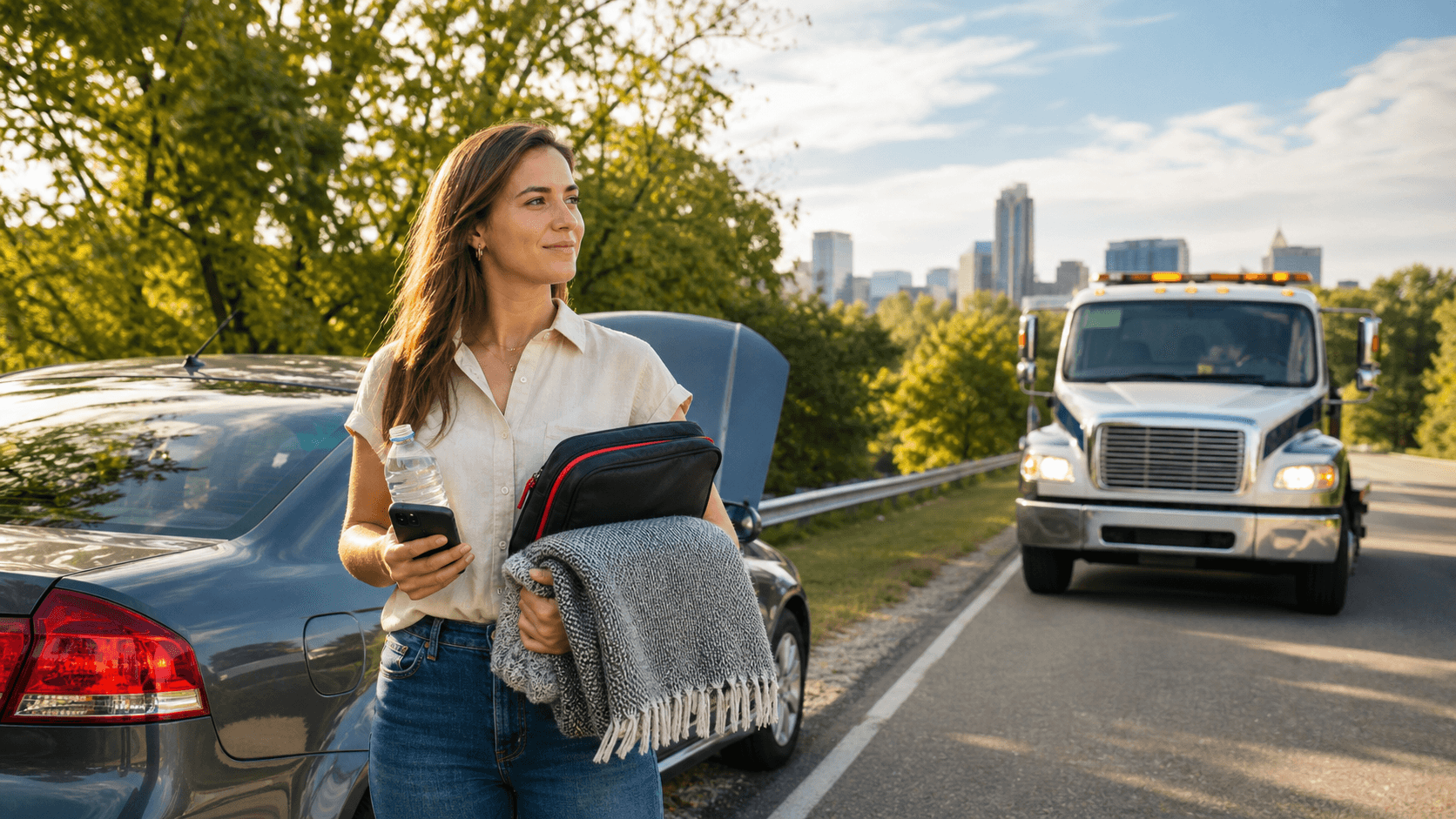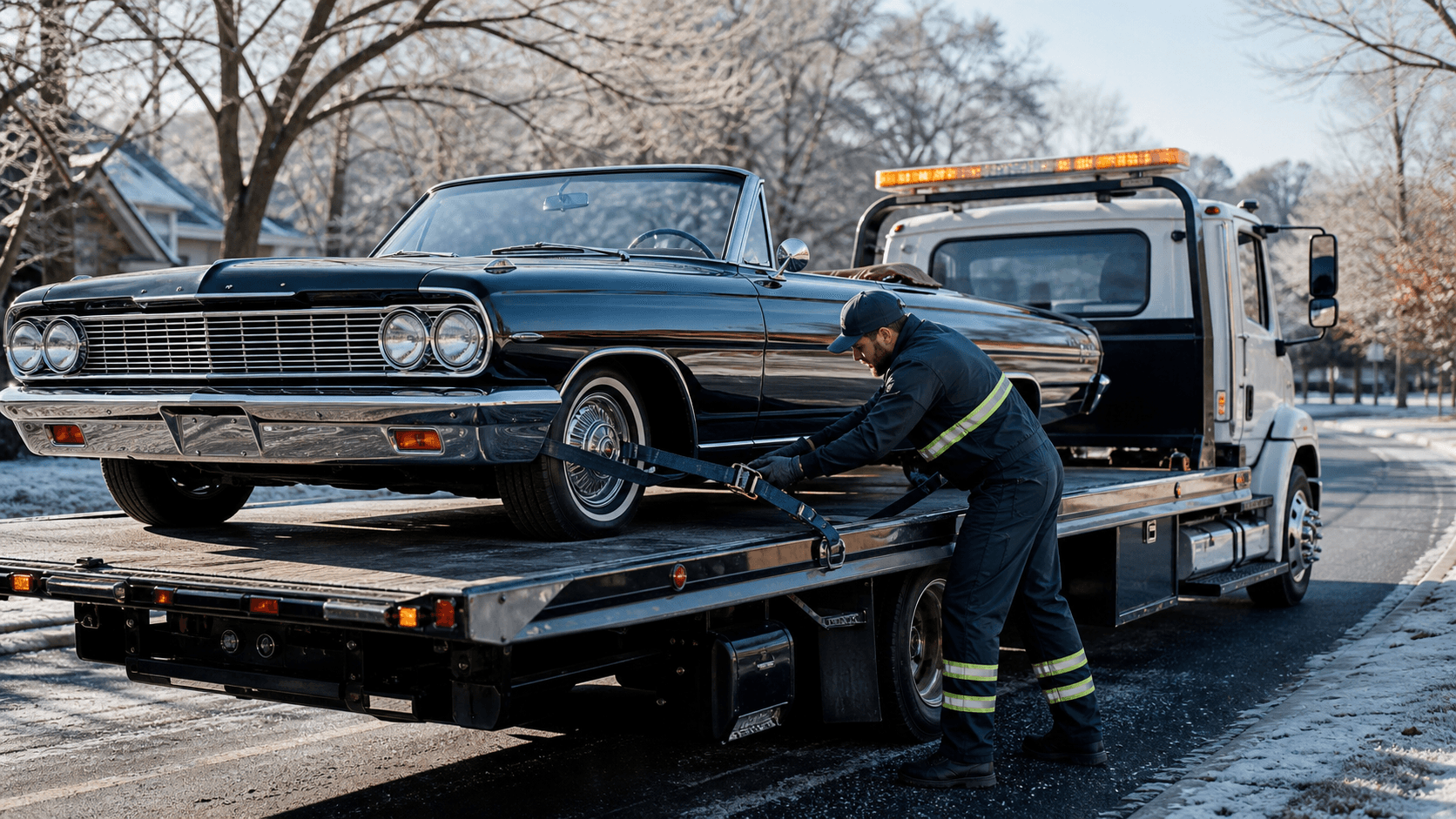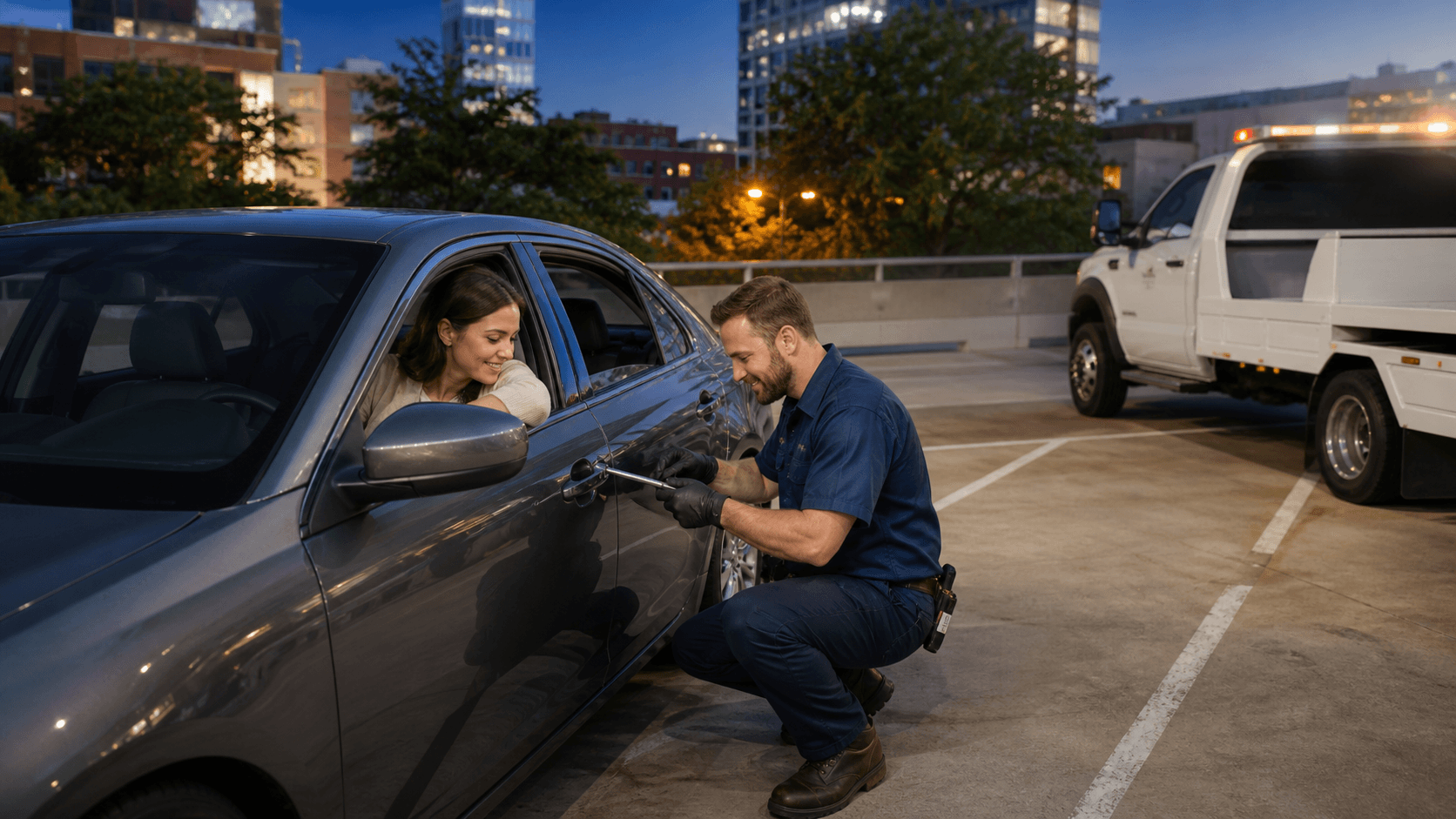
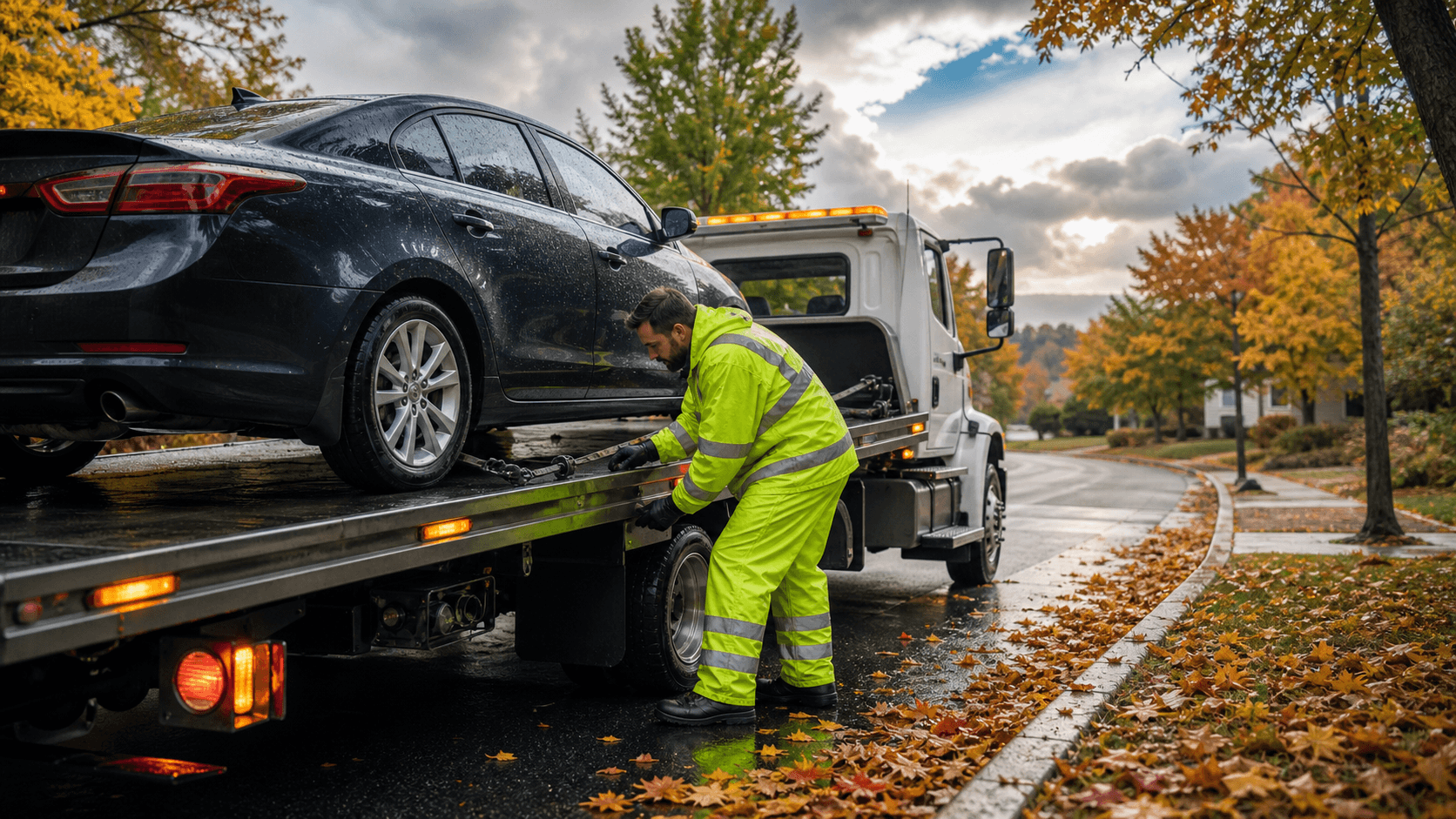
Fall storms bring more than gloomy skies and early sunsets to Raleigh, North Carolina. As the season shifts, so do the driving risks. Roads can seem fine one minute and turn slippery the next. Tree limbs fall, streets flood, and traffic gets heavier around events. These conditions do not just slow things down, they leave drivers stranded more often than we would all like.
Every year during this time, we see an increase in emergency towing in Raleigh, NC. From battery issues to waterlogged engines, fall weather has a way of making small problems bigger. Knowing what to expect and when to act can save time, money, and frustration. Here is what we have noticed on the road every autumn.
Slippery Roads and Loss of Traction
Leaves on the road might seem harmless, but after rain, they do not just stick to your shoes, they stick to asphalt. Wet leaves mix with oil buildup and frost to create slippery patches that are easy to miss, especially in shaded or wooded areas around Raleigh.
When drivers hit the brakes on these surfaces, it is common to lose grip. Tires slide, especially if they are worn down or the car was not going that slow to begin with. Even a cautious turn on a damp hill can send a vehicle spinning off the pavement.
Here is what tends to lead to towing after a traction loss:
- Minor spinouts that land a car in a ditch, gravel shoulder, or muddy roadside
- Loss of control near intersections where leaf piles collect along the curb
- Nighttime skids when moisture returns after sundown and visibility is already low
These moments feel sudden when they happen, but fall makes them more likely. A little water and leaves are all it takes.
Flooded Streets and Engine Failure
Rain moves quickly through the area in October, soaking roads and backing up drains. Some parts of Raleigh sit lower than others, and those are the danger zones after heavy rain. Street flooding does not just slow traffic, it can stop it entirely.
When drivers try pushing through rising water, things often go wrong fast. Water comes up over the bumper, then seeps into places it should not. Air intakes get clogged, belts slip, and engines stall right there in the middle of puddles that looked passable at first.
Common reasons we see cars towed from flood-related trouble:
- Engines that cut out while trying to drive through deep water
- Cars stuck on flooded side roads with no dry path back
- Electrical damage after water reached the underbody or battery cables
In most cases, it is not safe to restart a soaked car or try backing out. That is when a tow becomes the only real option.
Fall Wind Damage and Debris Hazards
Strong winds during fall storms grab anything that is not nailed down. We are used to gusty days this time of year, but even small storms can knock out tree branches or tear loose something from a nearby yard or site.
When debris lands in the road or gets kicked up, there is often no time to react. All it takes is one sharp edge or unexpected object in the path to create a real mess. Blowouts, damaged suspension, and underbody scrapes happen more often in the fall than people expect.
We have seen these typical fall wind issues cause emergency tows:
- A limb or utility line falling across the road or hitting a parked car
- Large pieces of trash or construction material blowing under moving vehicles
- Sudden tire loss or steering failure caused by road hazards hidden in wet leaves
Even a quick lane change cannot always dodge these risks. When damage happens, especially out of sight underneath, it is often safer not to drive.
Car Batteries and Electrical Trouble in Damp Conditions
Fall mornings get colder, which brings out the weakest parts of a car's battery and starter system. Those cool, damp nights can pull moisture into places it is not wanted: connectors, battery caps, starters, and engine block wires. That mix creates the type of situation where a car just will not start, even if it ran fine the night before.
Here is what happens when weather and wiring do not mix:
- Older batteries give out without warning when temps dip
- Cold starts fail even after multiple tries, especially in parked vehicles left overnight
- Dampness settles into electrical systems and causes shorts in places under the hood
These cases often look like simple no-starts at first, but pop the hood and the damage or buildup is clear. A quick jump start is not always enough to get moving again.
Traffic Delays and Accidents During Autumn Events
With fall comes more local traffic. Football games, school events, harvest fairs, and seasonal markets bring out more cars. That extra volume on delayed roads puts people in tighter spaces with less patience.
More cars on winding streets or city intersections make fender benders and slow collisions more likely. Most of these are low-speed crashes, but they still dent bumpers, crumple hoods, or knock something loose underneath that keeps a car from driving right.
Situations where a tow becomes necessary during fall traffic events:
- Damage after a light collision that prevents safe steering or driving
- Accidents in the dark when fog or shorter daylight hides other vehicles
- Breakdowns during traffic backups with no room to pull off safely
Emergency towing in Raleigh, NC, often picks up pace after big home games or holiday parades. Drivers dealing with unfamiliar traffic patterns end up in spots they cannot get out of alone.
Staying Ready When Fall Weather Hits
Fall storms in Raleigh bring a range of conditions that give drivers trouble. Slippery roads and flood zones do not announce themselves. Strong winds and busy streets do not always leave room for safe driving. That mix of wet air, unpredictability, and local traffic can turn a short trip into a long wait on the roadside.
By keeping an eye on weather changes and watching out for early signs of trouble like delayed starts or worn tires, it is easier to stay ahead of breakdowns. Cars do not always fail because of big issues, sometimes it is a sudden shift in the weather that turns normal wear into a real problem. Fall driving rewards those who stay alert and know not to force it when things do not feel right.
When Raleigh's fall weather turns your drive into a challenge, don't let a roadside breakdown leave you stranded. At East Coast Towing, we're prepared to help when slippery roads, unexpected floods, or busy streets catch you off guard. For prompt and professional emergency towing in Raleigh, NC, trust our expert team to get you moving again safely. Whenever the season's unexpected troubles hit, we're here to assist.