When it comes to moving or recovering large vehicles, timing can make all the difference. Whether you are hauling equipment, operating a fleet, or managing deliveries, when and where you schedule matters. Traffic, heat, and roadwork can all affect whether a recovery takes one hour or half a day.
During the hotter months in Raleigh, things get more challenging. Engines push harder, tires wear faster, and road conditions change from morning to afternoon. That is why it is helpful to know the right times to plan for heavy duty towing in Raleigh. Being smart about scheduling can help avoid long waits, hard-to-reach areas, and other avoidable headaches.
Early Morning vs. Midday: How Time of Day Impacts Heavy Towing
In August, Raleigh mornings are already warm, but the roads are usually cooler than they will be later in the day. By midday, pavement temperatures climb fast, which puts extra stress on tires, brakes, and engine systems. That is why early recovery or scheduled towing tends to be the smoother option.
- Cooler temperatures in the morning reduce the strain on recovery equipment and vehicle systems.
- Traffic tends to be lighter right after rush hour, making it easier for large wreckers to position safely.
- Visibility is more consistent in the morning before glare becomes an issue for both responders and other drivers.
By choosing earlier windows for scheduled towing, we limit the risks that come with dealing with overheated engines or sun-baked pavement, especially when working in tight or crowded areas.
Weekdays, Weekends, and Local Traffic Patterns
Where we go and how fast we arrive often depends on what day of the week it is. Anyone trying to move through Raleigh during rush hour knows just how long a few wrong turns can delay a job.
- On weekdays, morning and evening traffic can slow down recoveries, especially on roads like Capital Boulevard and I-440.
- Weekends may have less volume overall, but event-driven traffic near concert venues, sports facilities, or major shopping centers can clog routes.
- Sundays are often quieter for scheduling, especially for business vehicles not running a regular route.
Understanding these shifts helps when choosing appointment windows or planning ahead for larger hauls. It is not just about avoiding traffic, it is about reducing time spent securing vehicles near tight shoulders or crowded roadways.
Seasonal Road Conditions in Raleigh and When to Avoid Delays
August brings more than just heat. It comes with scheduled construction, lane closures, and higher chances of breakdowns tied to pressure buildup in big systems. Anything from tire blowouts to overheating can happen faster when the roads are hot and congested.
- Tire failures are more common in summer, especially when trailers carry dense or poorly balanced loads.
- Late-summer construction often peaks before fall, which shuts down lanes or forces detours onto smaller roads.
- Rural areas outside Raleigh may be more accessible in the middle of summer before farm transport picks up again.
That is why scheduling heavy-duty towing while keeping an eye on roadwork and heat trends can make things go much smoother. A little extra planning can avoid long waits in roadside heat or traveling through redirected traffic.
Planning Around Special Hauls or Heavy Loads
Oversized vehicle recovery does not just happen on the fly. Some loads carry permits, timing restrictions, or load-specific policies that make planning ahead a must. Knowing this in advance avoids frustration and unexpected holds.
- Certain cargo types and sizes require escorts, route approval, or travel at specific times to meet safety rules.
- If a scheduled haul passes through narrow rural roads or major intersections during peak hours, the tow may take much longer.
- Avoiding rush-hour detours and backing into tight recovery zones usually means doing it outside the usual commute window.
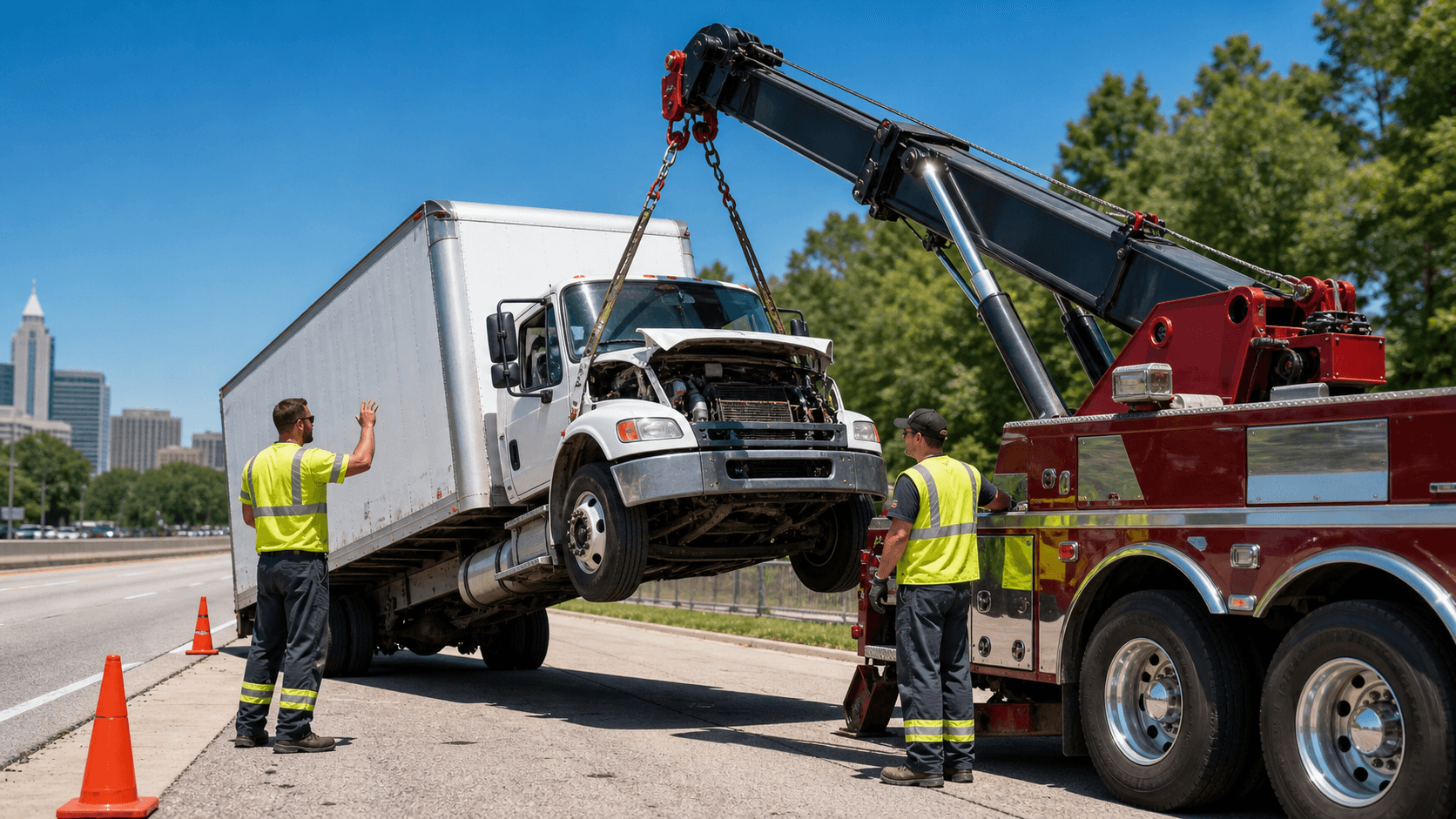
Our goal is always to keep things steady and safe. That means lifting or winching without rushing, especially when dealing with weight that shifts or setups with height limits.
When Emergency Towing Becomes Unavoidable
Not every job can be scheduled. Sometimes a truck overheats on I-40 or a trailer axle gives out west of Raleigh. When that happens, acting sooner rather than later helps prevent the problem from growing.
- Heat-related engine failure often shows early signs like stalling, loud fan noise, or uncontrolled coolant release.
- Brake fading or pulling to one side when stopping is also a sign that it is time to park and request a tow.
- Waiting too long to request recovery can make conditions more dangerous for the driver and everyone else around them.
We do our best work when the vehicle has not yet reached a total failure point. Getting off the road safely, early, helps both the driver and anyone responding.
Picking the Right Moment to Stay Ahead
The summer months bring more than just extra sunlight. Towing conditions get tougher, fast. By thinking ahead about traffic changes, add-on loads, and weather patterns, larger vehicles can be moved with less risk, less heat exposure, and fewer headaches.
Whether it is a delivery truck needing an early assist or a scheduled trailer move through busy parts of Raleigh, choosing the right time matters. Being a few hours early or a day ahead can turn a complicated job into a cleaner one, especially when the roads are not working in your favor. Staying a step ahead helps everything move safer and faster.
When the summer heat and traffic congestion make transporting heavy vehicles a challenge, timing is crucial. Trust East Coast Towing to handle your needs for heavy duty towing in Raleigh, ensuring your operations run smoothly without unnecessary delays. Our expertise helps you plan around Raleigh's unique traffic patterns, keeping your larger vehicles moving safely and efficiently. Reach out to us today to make sure you're ready for the road ahead.