When cargo shifts while a vehicle is in motion, problems can escalate fast. A load that moves just a few inches from where it started can change how a truck handles, how it stops, and how safe it is on the road. These types of shifts often start small, maybe even unnoticed at first. But if they're not caught early, they can damage freight, throw alignment off, or put the driver and others in danger.
A load shift happens when freight isn't balanced or secured enough to hold steady through turns, braking, or bumpy roads. Sudden stops or quick lane changes can send weight moving to one side or toward the back. Over time, that pressure affects how the truck performs. Knowing the early signs to look for gives drivers a chance to fix things before a minor shift turns into a much bigger issue that calls for a full load shift correction service.
Signs From Inside the Vehicle
Many load shifts start to show themselves inside the cabin before anything is obvious outside. Drivers who know what to listen for and how their truck normally handles often catch changes faster.
- Steering might feel off. If the wheel pulls slightly left or right without much reason, it could be the load pressing against one side.
- Stopping could feel rougher. A trailer that's unbalanced might push or tug during brake use, especially when coming off a downhill stretch.
- Dashboard alerts might flash. If traction control or stability warnings pop up out of nowhere, alignment or weight issues could be the cause.
Because these clues are subtle, they're easy to miss. But if the vehicle doesn't feel like it usually does, it's worth pausing to see if something shifted behind you.
Visual Clues Around the Load
As soon as the trailer is opened, certain signs might show that cargo has moved.
- Cargo might not be sitting level. One side of the load leaning or bulging is a giveaway that something inside needs adjusting.
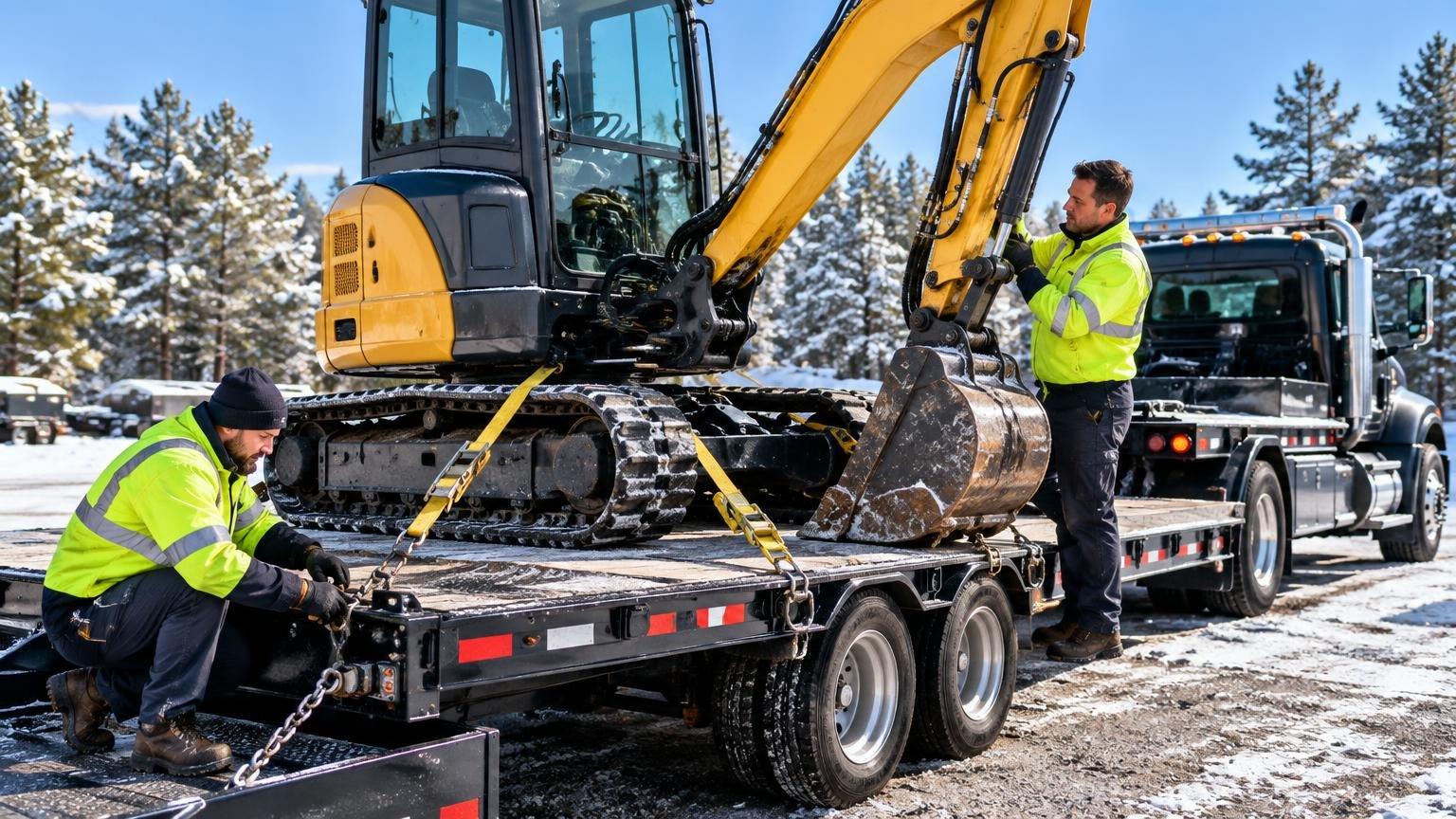
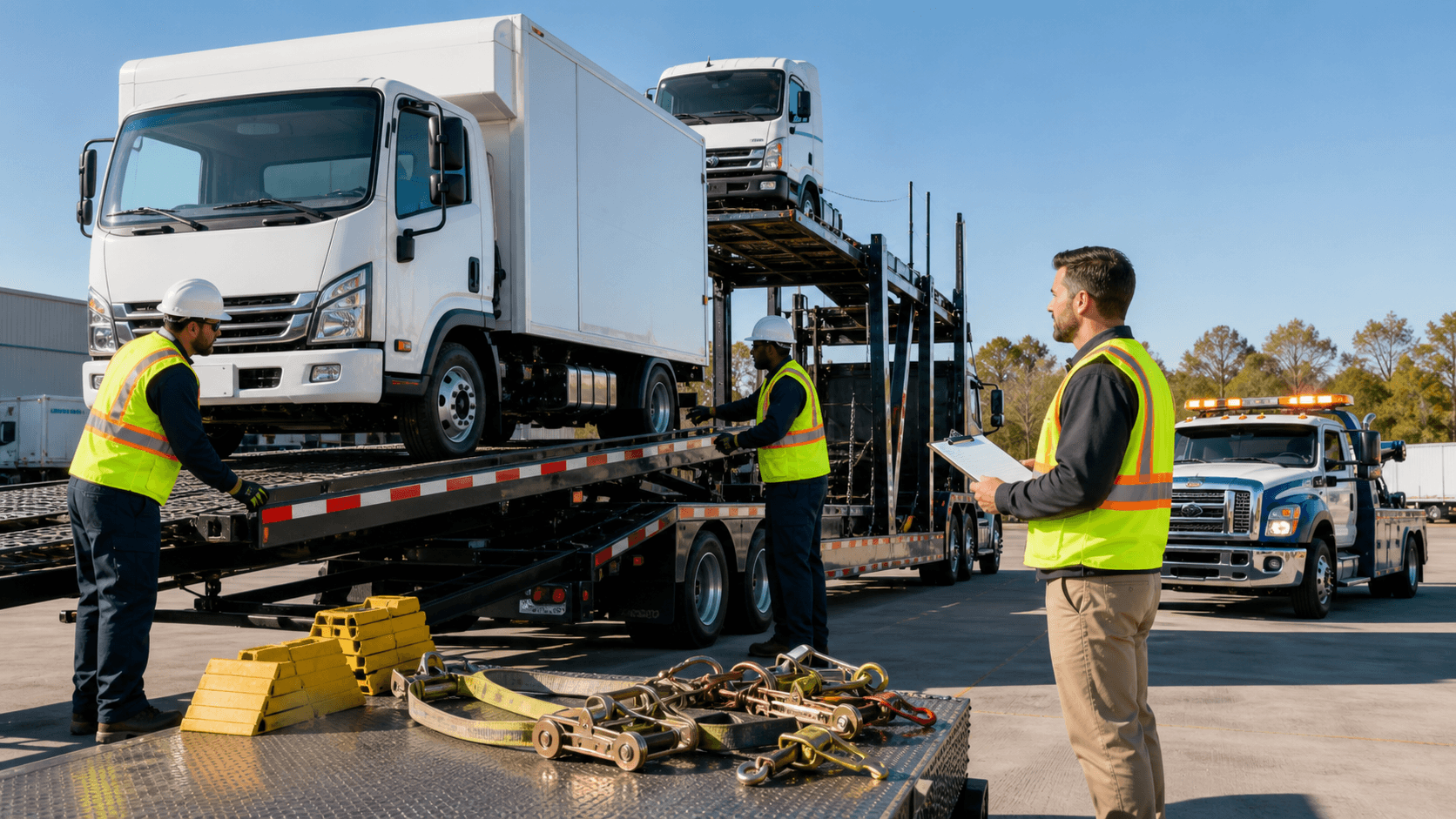
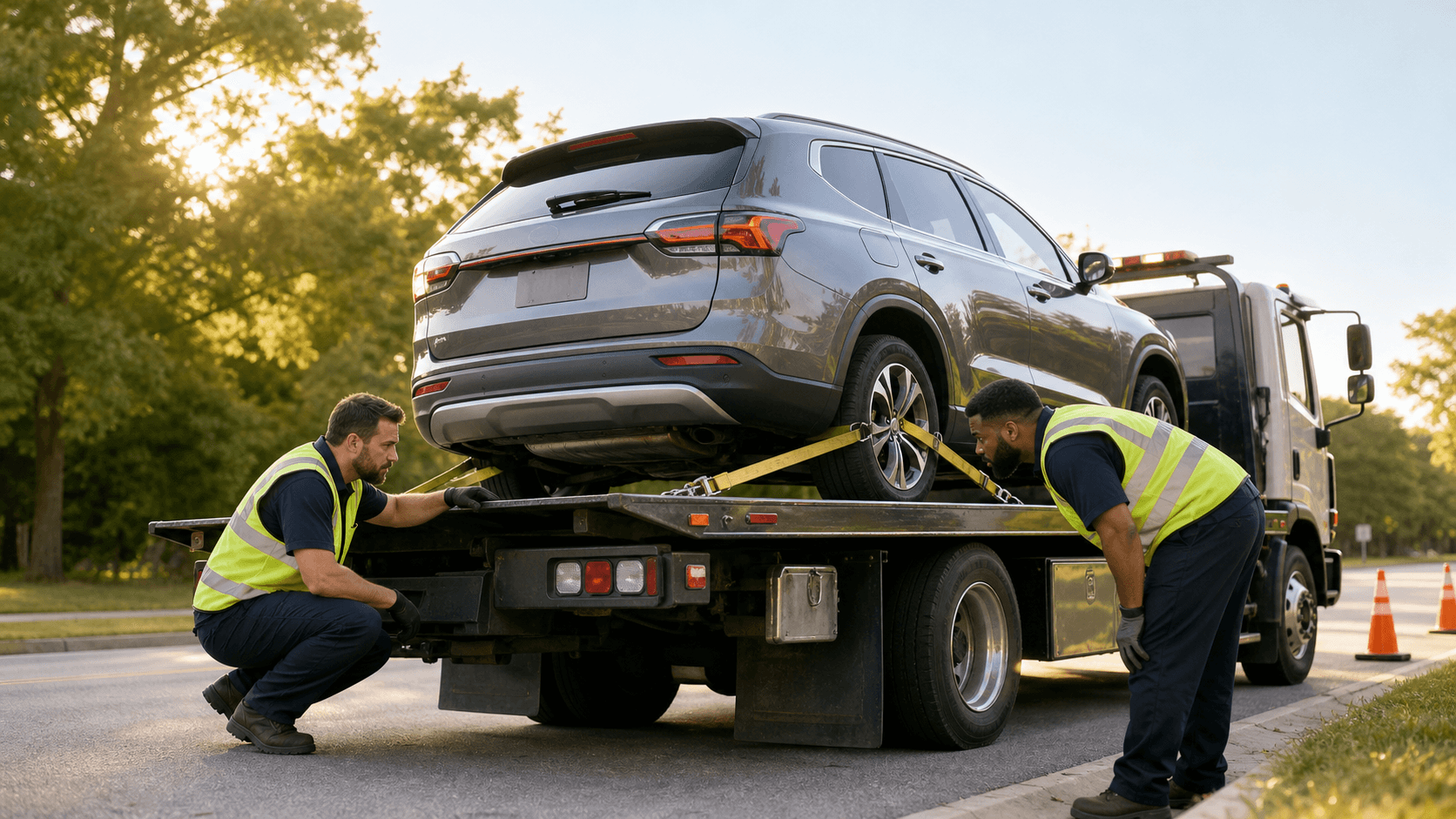
- Straps and tie-downs can loosen or shift. If fasteners are twisted, hanging differently, or lost their tension, it's likely the load has pushed against them.
- Pallets or large boxes near the edges may look out of line. Even if they haven't fallen, they may be sitting closer to a wall than they should be.
Quick walk-arounds during stops or deliveries make a real difference. Visual checks often catch things that haven't set off any mechanical warnings yet.
Unusual Noises During Transit
Sound can be one of the most reliable indicators of a shift in cargo. And during the fall in Raleigh, North Carolina, when roads are changing quickly and wet conditions are more common, noise often tells a story.
- If the trailer creaks or shifts during turns, it's worth attention. Movement that isn't normal might mean the load pressed into one side.
- Clunking or sliding noises after bumps or in wet weather may happen more often when weight isn't balanced anymore. These usually repeat during turns or stops.
- Loose items that were tightly packed at the start might now rattle. That's another clue something inside broke free from where it was strapped.
These noises aren't always loud. Sometimes they're just a little out of the ordinary. But as roads get slicker with leaves and moisture, even small offsets become more noticeable under pressure.
Road and Seasonal Factors That Make Load Shifts More Likely
Fall can sneak up fast in Raleigh, North Carolina, and it brings driving conditions that impact large vehicles more than many people realize.
- Wet leaves on the road mimic ice in how slippery they feel under weight. A smooth turn can become a sliding moment if traction changes quickly.
- Potholes from earlier summer wear and construction zones left uneven can jolt a trailer hard, pushing cargo out of place inch by inch.
- Fall festivals, sports traffic, and more frequent evening events mean sudden stops and sharp intersections. That kind of driving makes load control harder.
Even experienced drivers feel these changes. When daytime shifts to darker, colder mornings, everything from grip to braking distance changes too.
What Happens If You Miss the Early Warnings
If no one catches the early signs, small moves can become big problems. That's when things stop being a checkup and turn into a response call.
- Freight can get damaged by colliding with walls, squeezing pallets, or collapsing boxes that weren't made for sideways force.
- Vehicle stability gets affected, especially with heavier loads. A slight lean can turn into an unsafe tilt, which matters more during a tight turn or rough weather.
- Waiting too long might mean stopping completely to get a professional load shift correction service involved before moving again.
The longer a load is allowed to shift around, the higher the cost. And that's not just measured in repair bills. It shows up as lost time, missed drop-offs, and stressful roadside calls.
Staying Ahead of Trouble Before It Starts
The best way to prevent a full-blown issue is by catching the small things early. Not every sign will set off an alarm or light up the dash. But if you check often and stay alert, you'll notice patterns that help keep things under control.
- Watch how the truck feels after hitting the road again. If something seems off, it probably is.
- During fuel stops or food breaks, do a quick look. Check straps, corners, edges of the load, just the things that might speak up with problems later.
- When the seasons change, road habits should too. Shorter daylight and cooler mornings can make drive time feel different. That's when shifts can go unnoticed until they cost both time and control.
Staying alert doesn't mean stopping every hour to inspect every square inch. It means working small steps into your day that line up with safety and smoother trips ahead. Catching a problem before it grows always takes less effort than handling what follows when it's too late.
When unexpected load shifts impact your trailer's stability, it's vital to address the issue before it escalates. East Coast Towing is your trusted partner for safe and efficient solutions. Our expert load shift correction service is ready to assist you in Raleigh, ensuring that your cargo stays secure and you stay safe on the road. Don't let imbalances jeopardize your journey—reach out to us for dependable on-site assistance.