As nighttime lows drop in Raleigh, North Carolina, by mid-November, more drivers end up dealing with dead batteries during the morning rush. That's when jump starts become a common fix. The problem is, a surprising number of people do it wrong. From mixing up the cables to skipping safety steps, these mistakes can turn a quick fix into a big headache.
We see these issues every year. Cold weather makes everything harder on your battery, and when you're in a rush, it's easy to miss a step. But knowing what not to do matters just as much as knowing what to do. Whether you're helping someone else or trying to get your own car started, avoiding simple errors goes a long way. If you ever need a jump start service in Raleigh, it's worth taking a few minutes to understand common missteps before cables come out.
Mixing Up the Cables
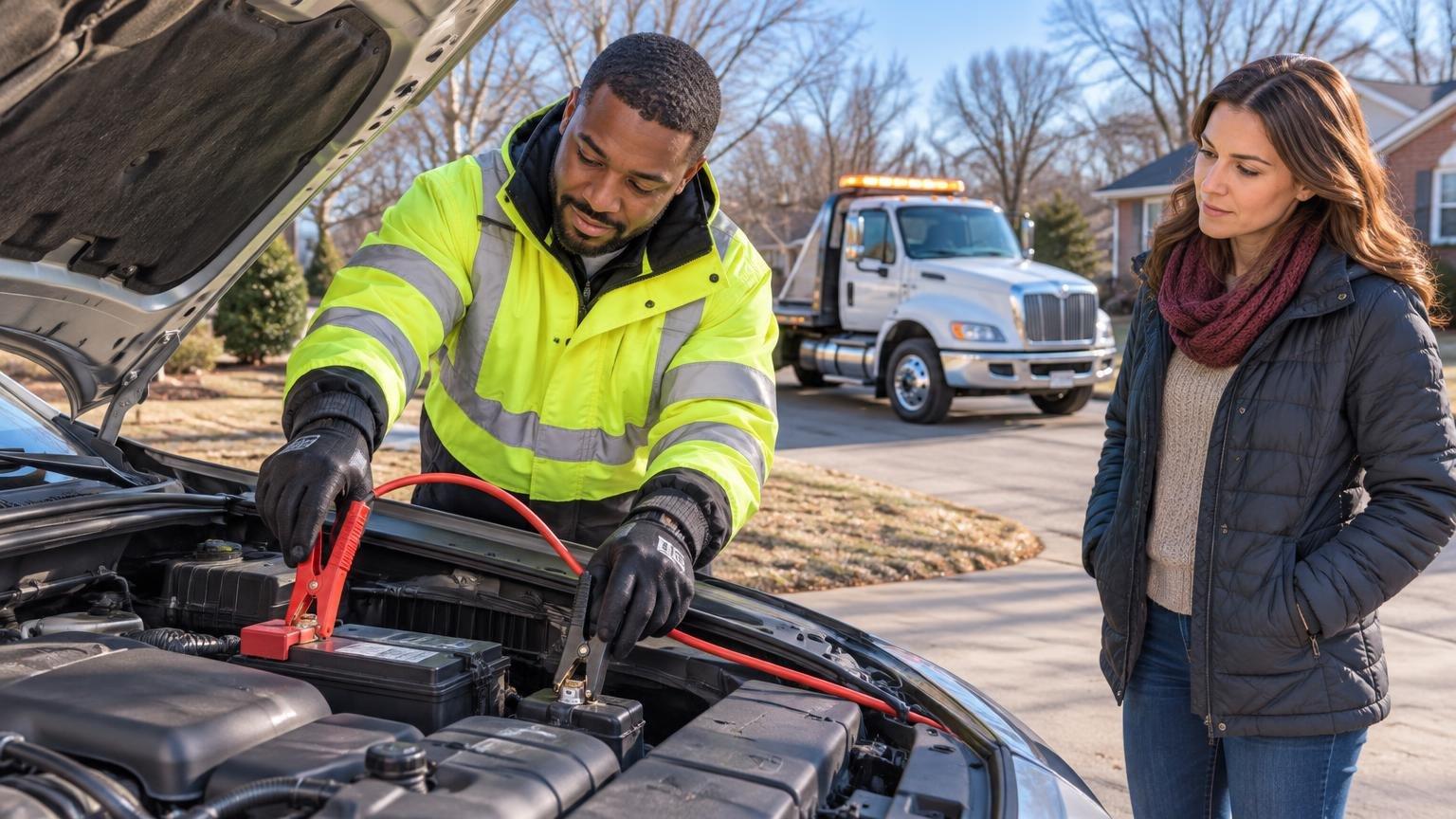
This one happens more often than people think. Most jump start setups involve a set of red and black clamps. But when you're cold, tired, and dealing with bad lighting, it's easier than you'd expect to switch the connections.
- Connecting the black clamp (negative) to the positive terminal, or vice versa, can fry electrical systems
- Older or borrowed jumper cables may be faded or mislabeled, making color matching unreliable
- A mix-up doesn't just keep your car from starting, it can damage the vehicle doing the jump too
We always double check the battery terminals before clamping anything. Look for the + and - signs stamped near the posts. Don't just rely on cable color. One small mistake here can melt cables, blow fuses, or damage onboard electronics.
Jumping a Dead Battery That's Beyond Recovery
Cold weakens batteries, but sometimes a battery isn't just low, it's done. Trying to jump something that can't take a charge wastes time and may kill your new battery too.
- If the lights won't turn on at all or the battery is older than a few years, the problem may go deeper
- Trying back-to-back jumps can overheat the donor battery or strain the alternator
- Car won't stay running after the jump? That usually means the battery can't hold power anymore
In these cases, it's better to stop rather than keep pushing. Starting a car once is only part of the test. If the power drains again seconds later, the issue is past fixing in your driveway. Repeated attempts can actually cause harm by overloading the system or damaging fuses.
Skipping Safety Checks Before Connecting
It's tempting to jump right into it, especially when your car won't start and you're late. But missing a quick look around the battery can cause way bigger problems.
- Look for cracks in the battery casing, leaking fluid, or burn marks near the terminals
- Corroded cables might not carry current well, and loose connections can spark dangerously
- Gloves and basic safety gear might seem like overkill, but they can prevent shocks or hand burns
Even in a minor situation, a dirty or damaged battery surface can lead to poor contact, which often means the jump won't work. Worse, it could create electric arcs that cause burns or melt parts of the clamp. A 30-second check of both batteries can save you 20 minutes of frustration.
Failing to Let the Engine Run After the Jump
So your car starts. Time to go, right? Not quite.
- Rushing off right after startup limits chances for the battery to recharge
- Letting the car idle for at least 5 to 10 minutes helps bring voltage up and refill the battery
- Vehicles with newer electrical systems need time to reset and stabilize after a power loss
We've seen drivers jump their car, turn it off again too fast, and get stuck all over again. Just because it starts once doesn't mean it'll do it again without recharging. Giving it time now keeps you from facing another delay at the next stop.
Trying to Jump in Unsafe Conditions
Cold mornings create more hazards than just battery trouble. Roads can be slick, visibility can be low, and most jumps happen near traffic. That's a bad combination.
- Narrow shoulders or steep driveways add extra risk when you're bent over a battery
- Drivers in Raleigh, North Carolina, often run into black ice or dark intersections in late fall
- Keeping gloves, a flashlight, and a hi-vis vest in your car is worth the space
We don't suggest jumping a car in unsafe spots. Moving to a driveway, wide shoulder, or flat parking lot makes a big difference. If you can't safely access the battery without standing in traffic or precarious positions, wait it out or consider other options.
Keep It Simple, Stay Safe
As fall moves into winter in Raleigh, NC, cold mornings and weak batteries will go hand in hand. Knowing the most common mistakes helps you skip a lot of frustration.
Take a few seconds to match the cables properly, check for damage, and give the engine time to recharge after it begins to run. If the battery won't respond, there's likely a bigger problem underneath.
Avoiding these errors won't just help your car start, it will help you stay safe and on time. When things aren't working right, a call for help is better than guessing through another jump.
When the cold catches you off guard, don't let a dead battery disrupt your day. At East Coast Towing, we understand the frustration and safety concerns that come with trying to handle a jump start on your own. For quick and safe assistance, rely on our expert jump start service in Raleigh. We'll ensure your day gets back on track with speed and precision, so you can safely be on your way.