Long hauls through North Carolina don't leave much room for error. When you're covering hundreds of miles across varied terrain, a small mechanical issue can snowball into hours lost or deliveries missed. With the highways around Raleigh seeing plenty of traffic during peak freight seasons, every delay can push schedules further behind. That's where having access to quick help, like mobile diesel repair in Raleigh, can make a real difference. Whether you're based nearby or just rolling through, breakdowns in late August aren't rare. The summer heat lingers, and early fall storms can hit without much warning, leaving diesel systems more prone to stress.
Planning Maintenance Before a Long Haul
Pre-trip planning isn't just about maps and loading times. It starts by making sure your diesel truck is as ready for the road as you are. Before starting any long haul across North Carolina, a few key systems need a close look.
- Cooling system: High heat in late summer can push engines to the edge. Make sure coolant levels and radiator performance are solid.
- Fuel system: Dirty filters, weak pumps, or air leaks can lead to power drops and shutdowns mid-route.
- Brakes: Long declines in the western part of the state test even the best braking systems. Wear and performance should be checked up front.
Routine service should be done at least a few days ahead of departure. Waiting until the last minute makes it harder to fix anything big. August may be winding down, but the heat sticks around. High temps add stress to every mile you drive. A strong inspection window sets the tone for the next run and can keep you out of trouble when you're far from help.
What Can Go Wrong on the Road in NC
Every long haul driver has dealt with their share of roadside surprises. In North Carolina, certain issues show up more often, especially when the drive is pushing your equipment hard.
- Overheating: Long climbs and heavy traffic in central and western areas can cause engines to overheat.
- DEF system problems: Whether it's faulty sensors or fluid contamination, DEF failures can put trucks into limp mode without much warning.
- Fuel delivery issues: Air in the lines, clogged filters, or low tank levels can cause trouble where fill stations are few and far between.
Some places are simply harder to manage when something breaks. Rural stretches between Raleigh and the coast offer fewer services. Western mountain regions bring signal issues and fewer turnouts. When something starts acting up, earlier detection can shrink your downtime and avoid costlier repairs. Recognizing symptoms early, like a warning light or a dip in performance, can help you decide how far you can go before calling for help.
How Mobile Diesel Repair Helps You Stay on Schedule
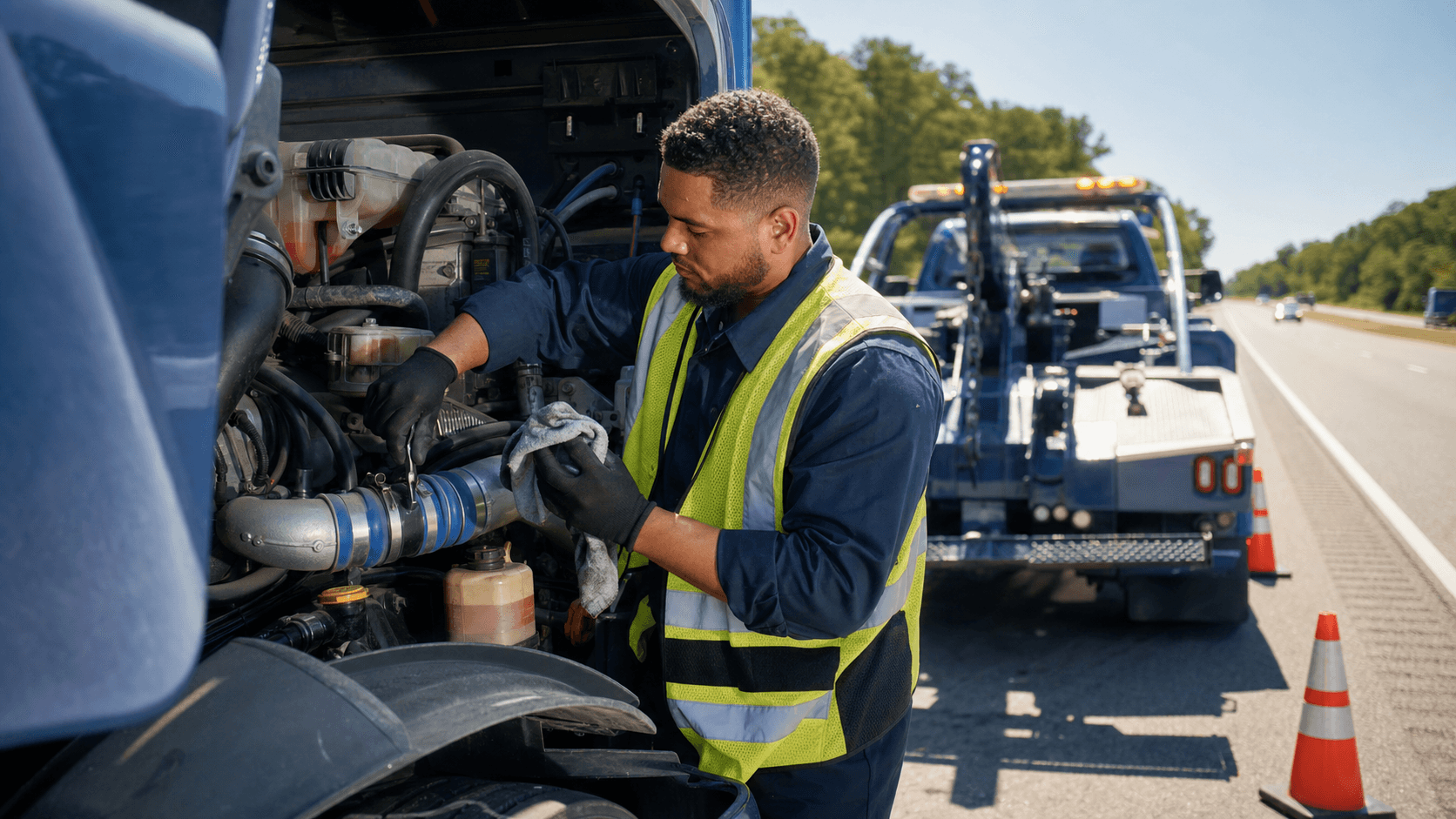
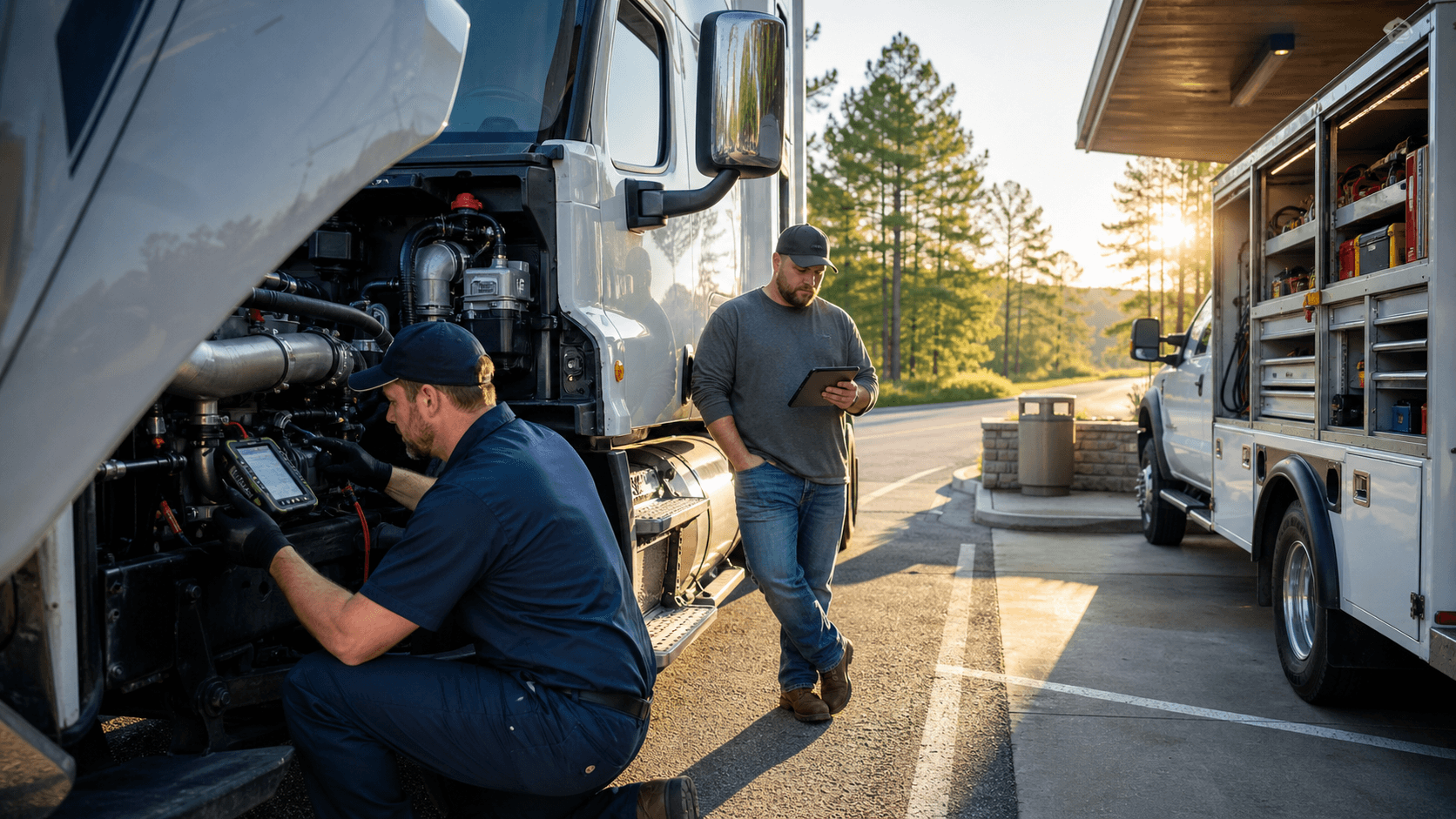
When your truck grinds to a halt halfway through a route, getting back on the road fast becomes the priority. That's where mobile services can really make a difference. If you're close to a metro area like Raleigh, mobile diesel repair in Raleigh can reach you quicker than arranging a tow or waiting in line at a distant shop.
Mobile service skips the back-and-forth. A qualified tech meets you where the truck sits, handles the repair on-site, and helps you keep moving. That matters when freight is time-sensitive or when you're in between legs of a multi-day trip. We've found it helps to plan your route with emergency service stops in mind. Knowing who to call before something goes wrong can cut your wait time in half and spare you from sitting on the shoulder of a busy highway.
Timing Repairs With Weather and Seasonal Demands
Late August isn't just hot, it's unpredictable. North Carolina tends to shift quickly during this time. Hot days might give way to scattered storms. Fog rolls in overnight. Each of these weather changes puts more load on diesel engines, cooling systems, and sensors.
Planning for repairs during this transitional period keeps things from stacking up later. By mid-September, delivery demand usually jumps, especially along major corridors and logistics hubs near Raleigh. That jump means less shop availability and longer service waits. Your best window to handle surprise issues or follow-up maintenance is now, not when fall is in full swing. Dealing with breakdowns during peak runs can throw your whole chain off.
Why Communication Matters With Roadside Repairs
Location clarity helps when you're stuck and trying to reach a service tech. Tiny mistakes, like the wrong turnoff number or vague mile markers, slow everything down. Rural North Carolina has areas where signals drop or GPS glitches. Communicating clearly makes the difference between a one-hour delay and a half-day setback.
Have these ready before you call:
- Exact location (mile marker, road name, or exit number)
- Truck details (make, model, engine type)
- Problem symptoms (engine light, odd behavior, noise)
- Contacts (your number, dispatcher info if needed)
All of this helps the tech decide what parts or tools they'll need and how fast they can reach you. It also makes it easier to reroute others if needed. Good communication isn't flashy, but it saves time and money when things don't go according to plan.
Keep Freight Moving with Smart Repair Timing
Long hauls through North Carolina in late summer are all about timing. From the first inspection to your last delivery, what happens in between often comes down to preparation and how quickly you're able to fix what breaks. Hot weather and changing conditions only make it more important to stay ahead of repair needs.
Before schedules peak in fall, there's still time to get things sorted. Doing maintenance, mapping out support options, and knowing where to turn when a breakdown happens can be the difference between a longer route and getting there right on time. When the pressure increases in October, you'll be glad you handled it early.
When you're out on the highway and a mechanical hiccup threatens your schedule, don't let it sideline you. East Coast Towing offers swift and dependable assistance to keep you on track. Take advantage of our mobile diesel repair in Raleigh for those unexpected moments when you need a helping hand. Our team ensures you're never stranded, allowing you to stay on schedule and meet every deadline.