When summer hits Raleigh, North Carolina, the temperature isn't the only thing that rises. So does the number of breakdowns, especially for large trucks and commercial vehicles. Long stretches of travel under direct sun, heavy loads, and traffic slowdowns make heatwaves harder for big rigs than for smaller vehicles.
We've seen how the extreme summer conditions push systems past their limits. That's where a heavy duty wrecker service becomes more than just helpful, it's often the only way to recover large vehicles when the heat wins the battle. Whether it's a delivery truck on its last mile or construction equipment stuck along a service road, breakdowns during heatwaves can grow fast from inconvenience to logistical headaches.
Why Heatwaves Increase Vehicle Stress
Hot weather doesn't just make drivers uncomfortable. It impacts every part of a working truck. For semis, buses, and other heavy vehicles, heat means more risk all around.
- Engines already working hard are at higher risk of overheating when moving slow in traffic or climbing long hills.
- Tire pressure climbs as asphalt temperatures spike, and that can push worn tires over the edge.
- Coolant and oil thin out in high heat, which means less protection inside moving parts.
These problems don't wait for a convenient time. Breakdowns on busy roads or in isolated service areas during midday sun aren't only frustrating, they're unsafe and logistically complicated. And when you're hauling heavy cargo or specialized equipment, recovery can't be left to guesswork.
Heavy loads already increase braking distances, and when the heat pushes brake fluid past its limit or stresses suspension systems, things can go downhill fast. Add cargo weight to long days on the road and it's easy to see why heatwaves hit harder with every mile.
Common Breakdowns That Call for a Heavy-Duty Tow
Some issues stand out more than others once heat reaches its peak. Certain breakdowns show up more during North Carolina's hottest days, and they often leave large vehicles in tough spots.
- Engine failures in semis and long-haul tractors are common when cooling systems stop doing their job.
- RVs and motorcoaches often suffer tire blowouts or powertrain issues when road temps push tires to their limits.
- Local delivery trucks dealing with stop-and-go routes may overheat or drop power suddenly in midday heat.
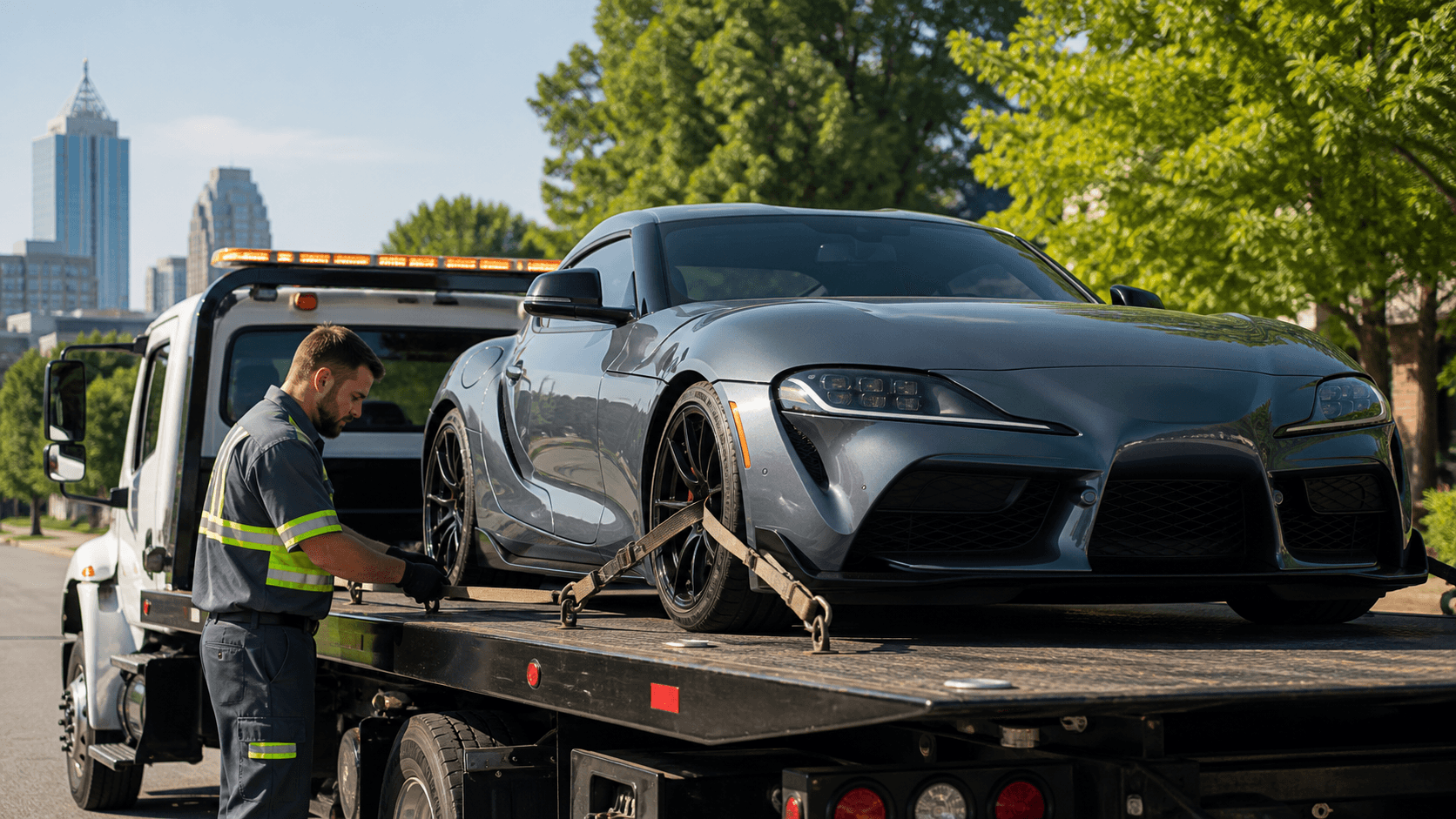
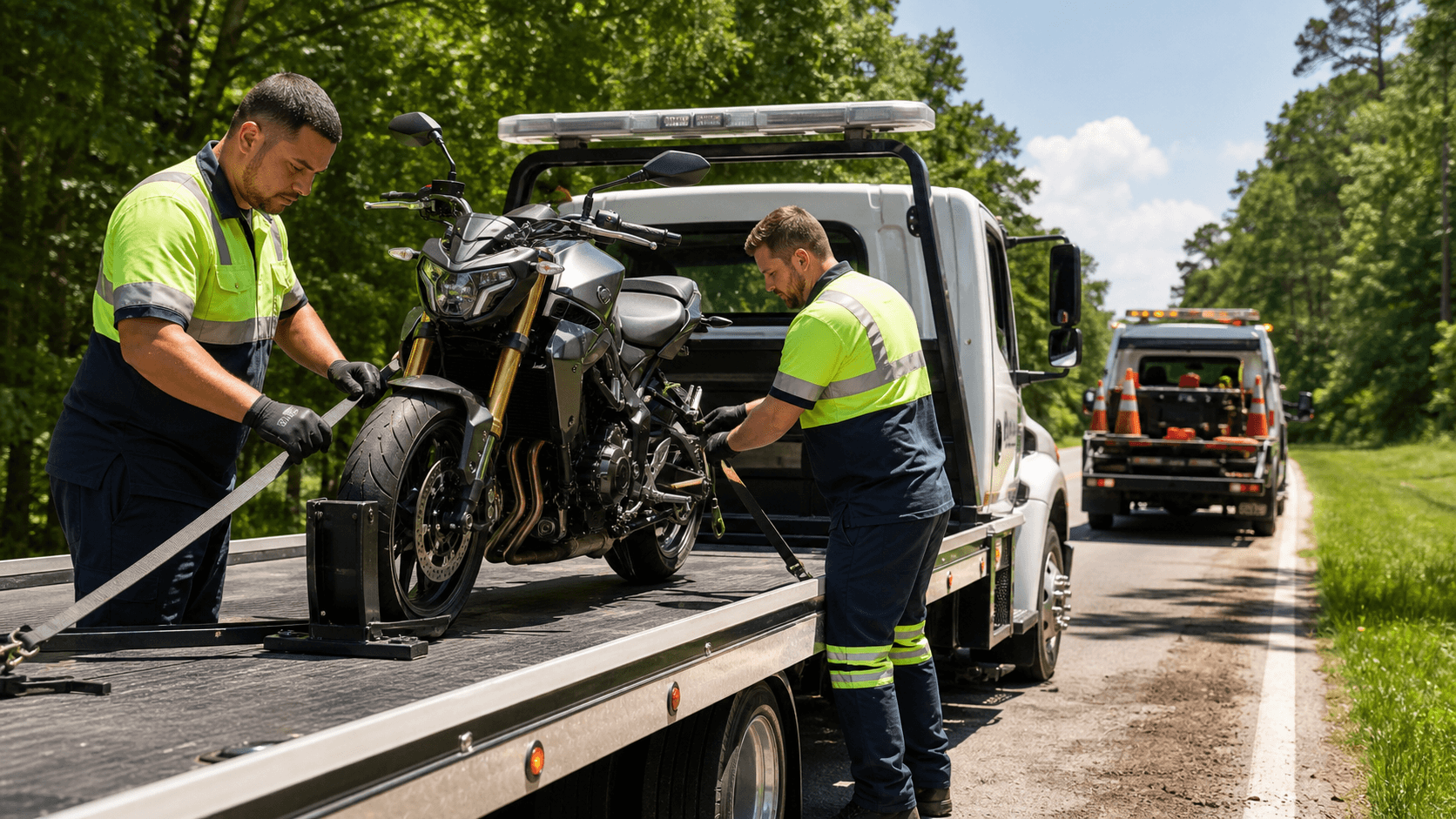
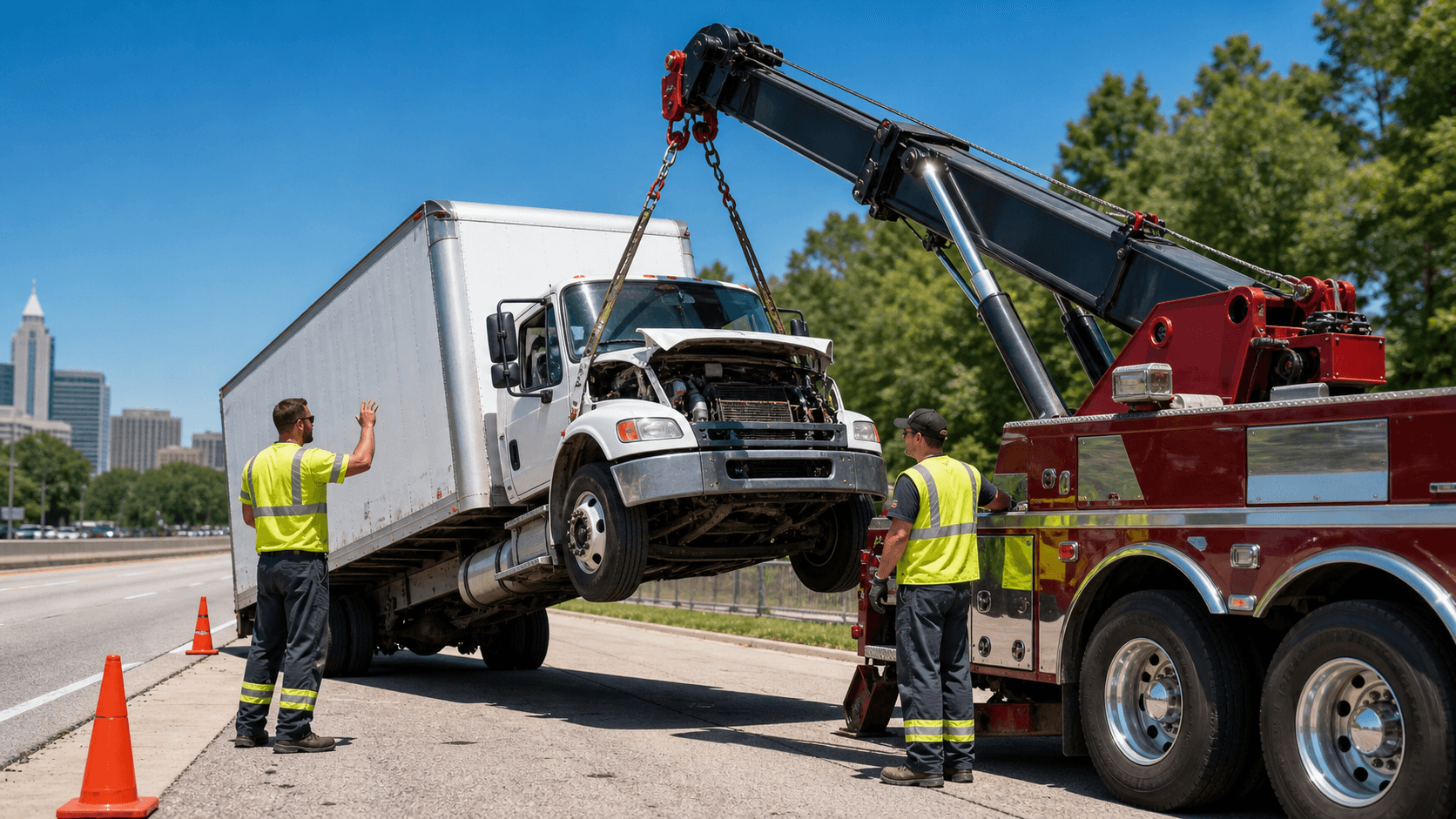
A regular tow truck might be just fine for a compact car, but it won't cut it when a disabled box truck is blocking an intersection or a refrigerated trailer needs to be repositioned. That's when a heavy duty wrecker service comes into the picture. Bigger wreckers support the weight, balance, and winching strength needed for these summer problems.
Heat-Sensitive Vehicles That May Need Special Towing
Some large vehicles are more sensitive when heat builds over several days. Their systems aren't just bigger, they're also more complex, and that means more can go wrong all at once.
- Dump trucks, graders, and loaders used in construction can suffer hydraulic failure or stop moving altogether when seals swell or fluid breaks down during long sun exposure.
- Transit buses with heavy passenger loads in the late afternoon don't always survive AC failure or electrical surge.
- Trailers with delicate cargo, like perishable goods or fragile freight, need fast, stable movement, not aggressive lifting or sudden jerks.
These setups often require more than just equipment. Handling them safely takes experience knowing how heat affects suspension points, undercarriage systems, and cargo stability. Rigging up a tractor-trailer or lifting part of a flatbed often requires space, solid support, and an approach that accounts for materials that may warp or shift under pressure.
High heat is known to strain components that don't show problems until it's too late. By the time brakes drag or steering gets heavy, damage may already be growing. Summer breakdowns from heat buildup aren't always dramatic, they just keep drivers from getting where they're going.
The Role of a Heavy Duty Wrecker Service in Summer Recovery
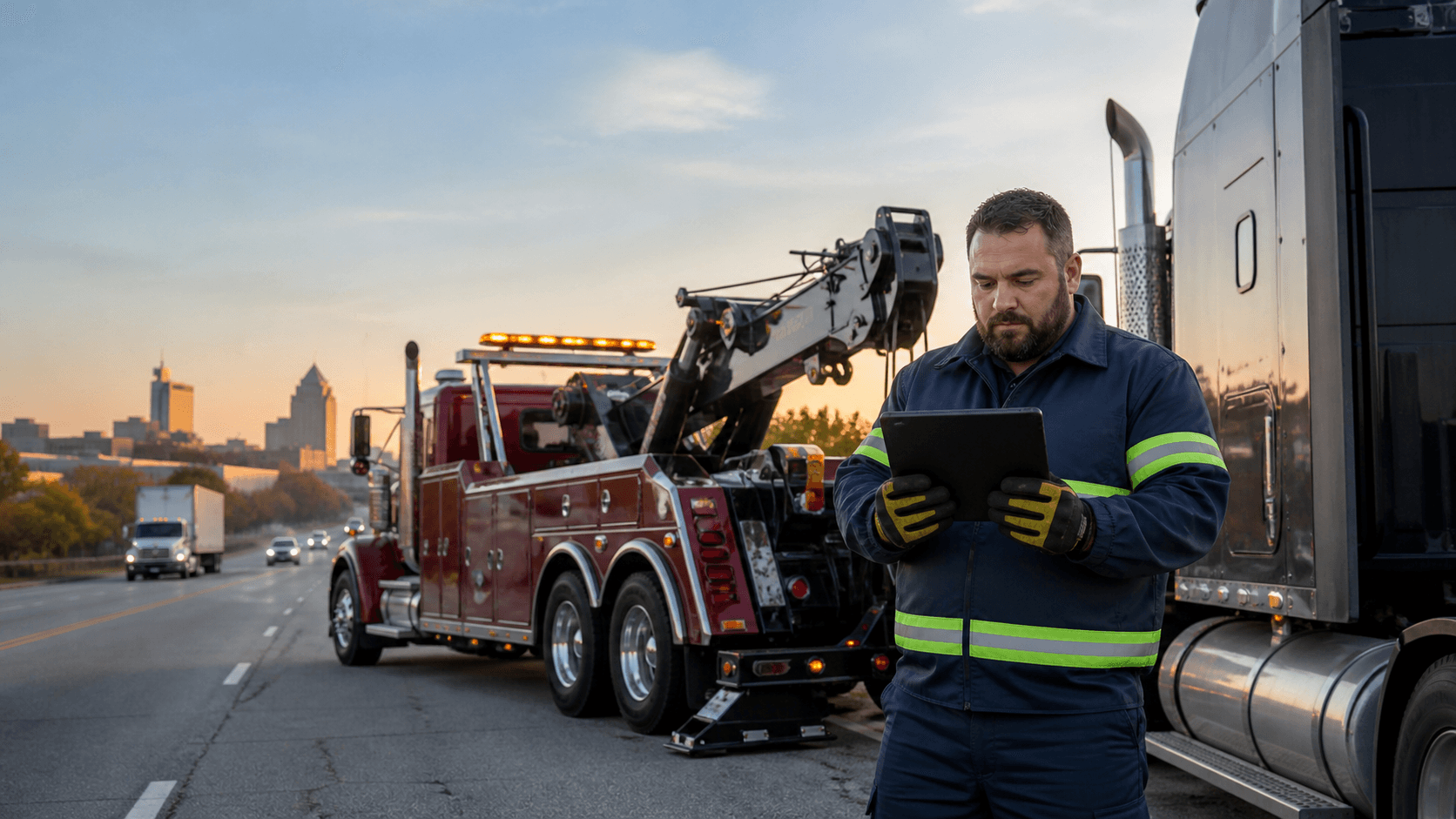
A heavy duty wrecker service becomes especially important when heat adds urgency. The tools we bring and the method we follow can make the difference between a delayed delivery and an extended shutdown.
- Our wreckers are built to handle big lifts yet work with control, whether we're recovering an overturned vehicle or pulling from soft road shoulders.
- We plan carefully around clearance issues, heat-softened asphalt, and the condition of recovery paths. That matters when a trailer axle has collapsed or a bus is dead in the heat.
- Staging recovery near traffic or in limited work zones during the summer means time matters. We move quickly but not carelessly, building in room for safe securement and movement.
Summer adds stress no matter how prepared drivers are. Our focus during these months shifts toward heat-triggered failures and knowing how fast conditions degrade. What starts as steam from under the hood can turn into a full road closure if recovery takes too long or goes wrong.
Local Factors That Make Summer Tows Tougher Near Raleigh
Raleigh, North Carolina, brings its own set of summer recovery troubles. We spend a lot of time planning around them, especially when temperatures stay high for days at a time.
- Road work near highways like I-440 or US-70 forces detours that add miles to towing paths, which isn't great when you're pulling 30,000 pounds.
- Shaded areas disappear midday, so loaders and wedging crews often work on sunbaked concrete or gravel that's been heating up since early morning.
- August traffic peaks in this area as people travel ahead of school schedules or try to complete summer projects, which clogs recovery paths and limits staging.
That makes timing and clear planning more important. Where we stop, how far we reverse, and how we lift all depend on space and sun. Waiting too long in these conditions only makes the situation harder on everyone. These are choices made by experience, not just routine.
Stay Ready When the Heat Hits Hard
Summer heat creates a chain reaction of stress on big vehicles. When fluids change form, metal swells, or seals fail, there's often no warning. For heavy-duty operators, breakdown risk climbs fast once long days and sun exposure stack up. That's when recovery gets more than just technical, it becomes about safety for the people and cargo onboard.
Getting large vehicles out of trouble during heatwaves takes more care, the right tools, and smart decisions under pressure. The problems might start from the weather, but how we respond keeps them from becoming worse. Whether we're helping a box truck in a breakdown lane or rerouting a recovery around lane closures, summer changes everything. And that's exactly when we stay ready.
At East Coast Towing, we know how quickly summer heat can lead to unexpected breakdowns for heavy vehicles. When the temperatures soar and your rig needs reliable recovery, our heavy duty wrecker service is ready to step in with expertise and precision. Don't let the blistering Raleigh, NC, sun compromise your operations. Reach out to us today for the dependable service your heavy equipment deserves.